Toolbox Comparison: Plastic Toolbox vs Metal Toolbox for Professional Tool Storage
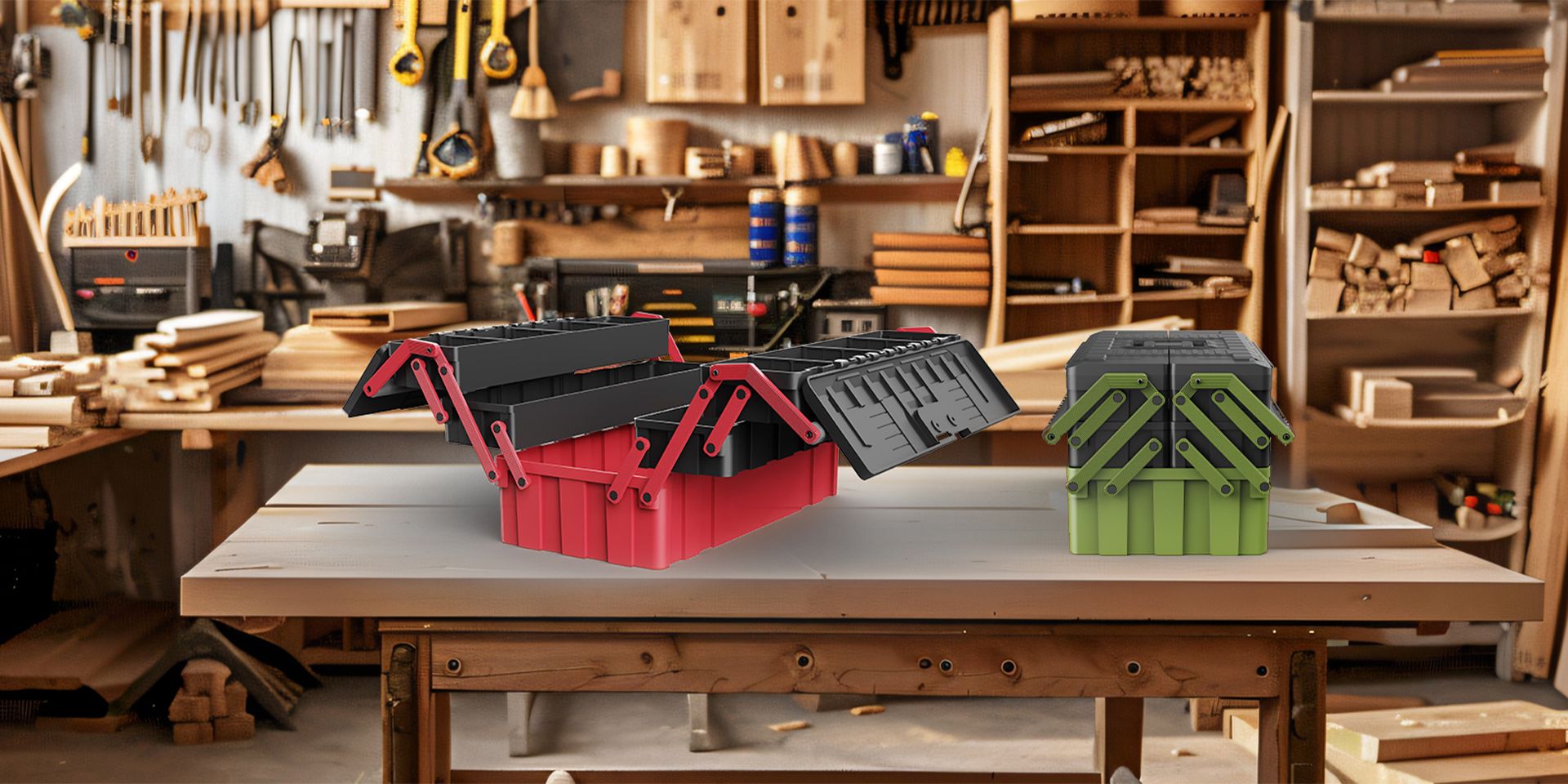
Introduction: Choosing the Right Toolbox Material for Professional Applications
Choosing the right toolbox is an important decision for professional buyers, distributors, hardware wholesalers, and industrial supply companies.
A toolbox is not simply a container for storing tools. For many businesses, it represents a product solution that directly affects customer satisfaction, market competitiveness, and long-term sales performance.
When purchasing tool storage products in bulk, buyers need to consider more than the appearance or initial purchase price. Factors such as material performance, storage efficiency, durability, transportation cost, customization options, and supplier reliability all influence the final purchasing decision.
Plastic toolboxes and metal toolboxes are two of the most common solutions available in the global market.
Traditional metal toolboxes have been widely used for decades because of their rigid structure, industrial appearance, and strong mechanical characteristics. They remain a suitable choice for applications where heavy-duty construction is the primary requirement.
However, market demands have changed significantly in recent years. More professional users and businesses are looking for tool storage products that provide a better balance between strength, portability, maintenance requirements, and customization flexibility.
This is where modern plastic toolboxes, especially ABS plastic toolboxes, have gained increasing attention.
With advantages such as lightweight construction, corrosion resistance, flexible design possibilities, and efficient manufacturing processes, plastic toolboxes have become an important alternative for professional users and commercial buyers.
For distributors and brand owners, choosing between plastic and metal toolboxes is not only a product decision but also a business decision.
The right toolbox solution can influence:
Product positioning
Target customer acceptance
Transportation efficiency
Market differentiation
Long-term business value
In this comparison, we will analyze plastic toolboxes and metal toolboxes from a professional purchasing perspective, including:
Material characteristics
Storage performance
Durability
Application suitability
Customization opportunities
Supplier evaluation factors
By understanding these differences, buyers can make more informed decisions when selecting toolbox products for their markets.
Table of Contents
- Why Toolbox Material Matters for Professional Buyers
- Plastic Toolbox vs Metal Toolbox: Understanding the Core Differences
- Performance Comparison: Plastic Toolbox and Metal Toolbox
- Why ABS Plastic Toolboxes Are Becoming More Popular
- Choosing the Right Toolbox Solution for Different Business Applications
- How to Evaluate a Toolbox Supplier Before Bulk Purchasing
- Jingyan Tools: Professional Toolbox Manufacturing Partner
- Frequently Asked Questions About Plastic and Metal Toolboxes
- Selecting the Right Toolbox Solution for Long-Term Business Value
Why Toolbox Material Matters for Professional Buyers
A toolbox is not only a product used to organize tools.
For businesses, it also represents:
Product value
Customer experience
Long-term market competitiveness
When companies purchase tool storage products in bulk, they should not only focus on product appearance or initial purchasing cost.
More importantly, buyers need to evaluate:
Material performance
Storage efficiency
Product durability
Transportation cost
Customer application requirements
Supplier manufacturing capability
In the global market, plastic toolboxes and metal toolboxes are two of the most common tool storage solutions.
Traditional metal toolboxes have been widely used because of their strong structure and industrial appearance.
However, with changing customer requirements, plastic toolboxes made from engineering plastics such as ABS have become increasingly popular because of their:
Lightweight design
Rust resistance
Flexible customization capability
For professional buyers, distributors, and brand owners, choosing between plastic and metal toolboxes is not simply a material decision.
It is also a business decision that can affect:
Product positioning
Target customer groups
Transportation efficiency
Market competitiveness
Understanding the differences between these materials helps companies select products that create stronger commercial value.
1.Growing Demand for Efficient Tool Storage Solutions
Modern workers need solutions that improve:
Organization efficiency
Transportation convenience
Workplace productivity
Tool accessibility
For example, maintenance technicians, construction workers, and service professionals often carry different types of tools between multiple job locations.
A toolbox that is too heavy or poorly organized can reduce working efficiency.
As a result, manufacturers are developing tool storage solutions that combine:
Structural strength
Portability
Functional design
User convenience
Plastic toolboxes have become increasingly important because they provide a practical balance between durability and usability.
For distributors and importers, products that match modern user expectations usually have stronger market potential and broader application opportunities.
2.Why Material Selection Influences Product Value
Different materials create different product advantages.
Metal toolboxes usually provide:
High rigidity
Industrial appearance
Strong structural feeling
However, they may also have limitations:
Higher product weight
Potential corrosion issues
Higher transportation cost
Limited design flexibility
Plastic toolboxes, especially ABS plastic toolboxes, offer different advantages:
Lightweight construction
Rust resistance
Flexible structure design
Color customization
Efficient manufacturing
For professional buyers, the best choice depends on the target market.
For example:
Hardware retailers may focus more on product appearance and storage convenience.
Industrial suppliers may prioritize durability and reliability.
Private-label brands may require stronger customization capability.
Therefore, understanding material advantages helps companies select products that create higher commercial value.
Plastic Toolbox vs Metal Toolbox: Understanding the Core Differences
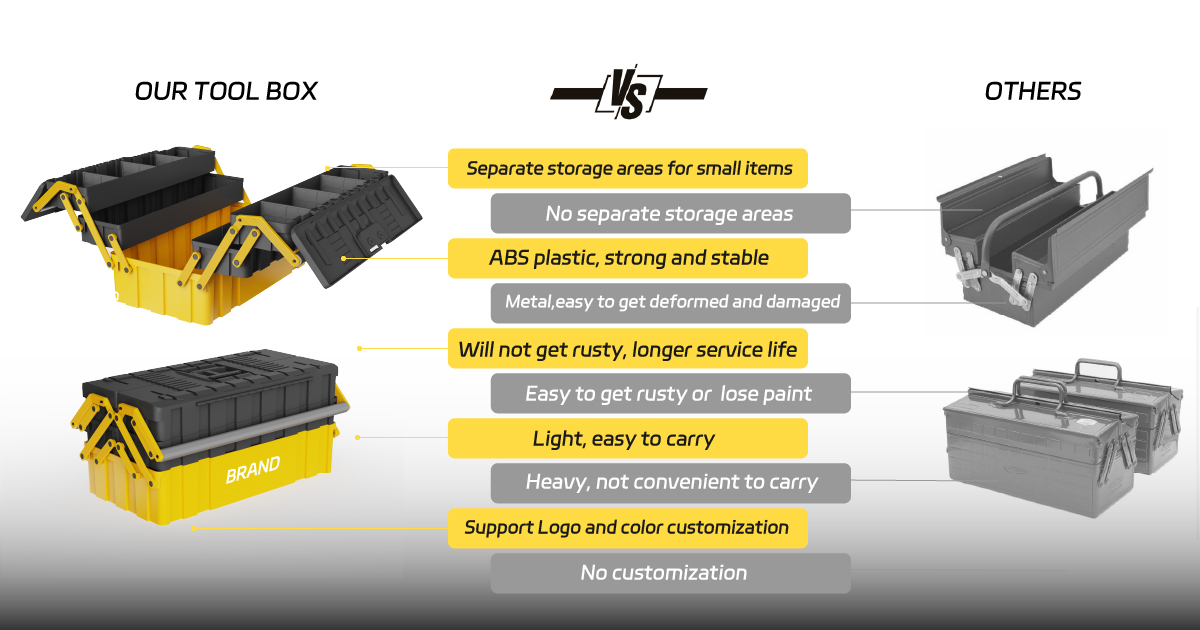
For professional buyers, understanding these differences before bulk purchasing is essential.
1.Material Characteristics and Manufacturing Differences
Metal toolboxes are usually produced through:
Metal stamping
Welding
Surface coating
Mechanical assembly
These processes create rigid structures with a traditional industrial appearance.
However, metal products require additional consideration regarding environmental conditions.
For example:
Moisture exposure may cause corrosion
Surface coating may wear over time
Scratches may affect appearance
Plastic toolboxes, especially ABS plastic models, are generally manufactured through:
Injection molding
Component assembly
Structural optimization
ABS material provides:
Good impact resistance
Stable performance
Lightweight characteristics
Consistent surface quality
For manufacturers, injection molding also provides greater design flexibility, including:
Shape optimization
Integrated functional components
Color customization
Brand development opportunities
This makes plastic toolboxes increasingly attractive for companies seeking differentiated products.
2.Weight, Portability and Transportation Efficiency
For end users, a toolbox is often carried between different locations, including:
Workshops
Construction sites
Maintenance areas
Service locations
A heavy toolbox may provide a strong industrial feeling, but it can also reduce portability and increase transportation costs.
Metal toolboxes generally have higher material density, which means they can become heavier when designed for similar storage capacity.
For businesses purchasing in bulk, product weight also affects:
Shipping cost
Warehouse handling
Distribution efficiency
Customer experience
Plastic toolboxes provide an advantage in lightweight design.
High-quality ABS plastic can maintain structural reliability while reducing unnecessary weight.
This balance makes plastic toolboxes suitable for professional users who need both durability and mobility.
For distributors and importers, lightweight products can also create commercial advantages because:
More units can be transported efficiently
Handling becomes easier
Logistics costs can be better controlled
Jingyan Tools develops plastic toolbox solutions designed to balance storage capacity, structural strength, and transportation convenience.
3.Durability and Environmental Adaptability
A toolbox needs to handle:
Frequent opening and closing
Daily transportation
Workplace impacts
Different environmental conditions
Many buyers traditionally believe that metal products always provide better durability because of their rigid structure.
However, product durability is not determined only by material hardness.
It also depends on:
Product design
Manufacturing quality
Structural optimization
Usage environment
ABS plastic toolboxes can provide reliable durability when designed and manufactured correctly.
ABS material offers:
Good impact resistance
Stable physical properties
Resistance to cracking
Long-term appearance stability
Another advantage of plastic materials is corrosion resistance.
Unlike untreated metal surfaces, plastic does not rust when exposed to moisture.
This makes plastic toolboxes suitable for:
Maintenance applications
Outdoor service environments
Workshops
Industrial workplaces
For distributors and brand owners, products with stable long-term performance can help reduce customer complaints and improve market reputation.
Performance Comparison: Plastic Toolbox and Metal Toolbox
The best toolbox solution should not only provide storage space but also support:
Efficient workflow
Easy transportation
Product reliability
Customer satisfaction
1.Storage Capacity and Organization Flexibility
Professional users require more than a simple storage container.
They need a toolbox that helps organize different tools efficiently.
Traditional metal toolboxes often provide basic storage space but may have limited internal organization options.
Users may experience:
Difficult tool access
Poor classification
Longer searching time
Modern plastic toolboxes provide more flexible storage solutions through optimized structural design.
Common features include:
Multiple storage layers
Removable dividers
Separate compartments
Small parts organization areas
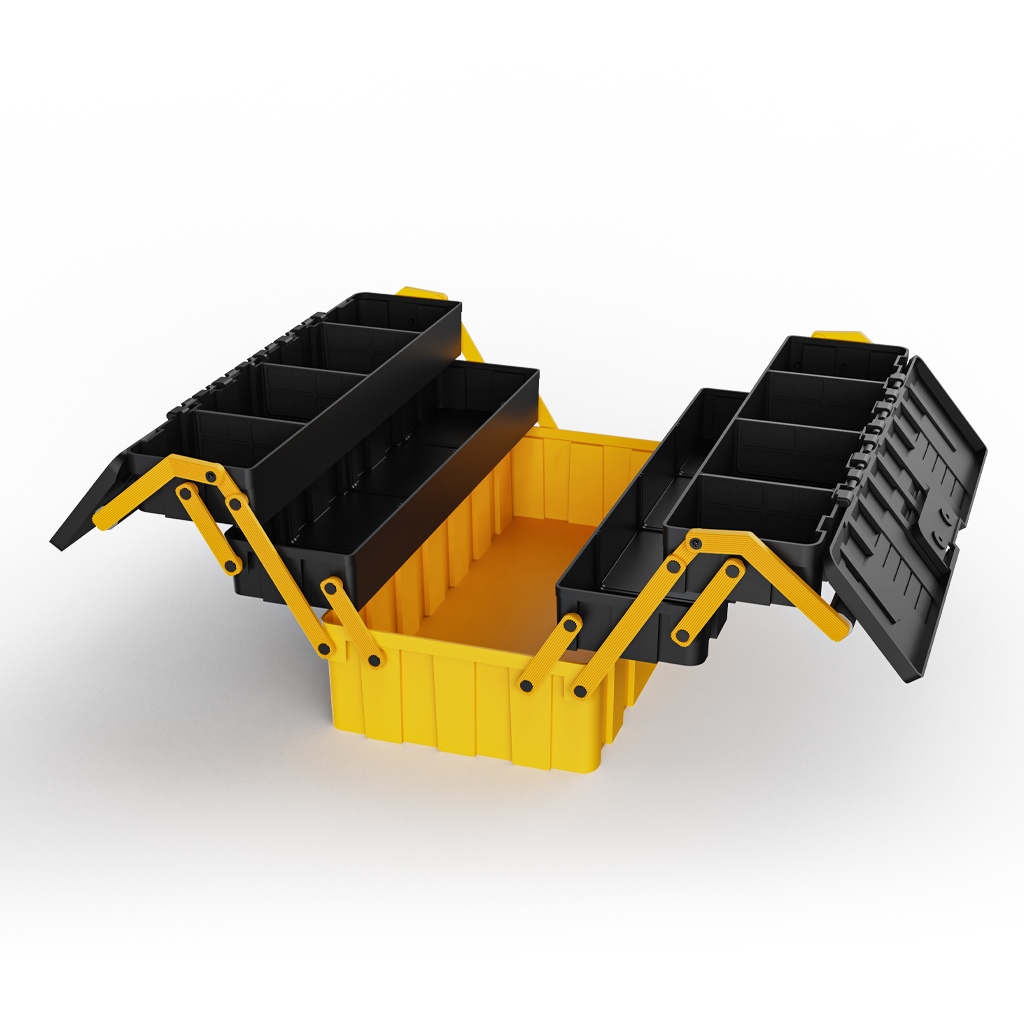
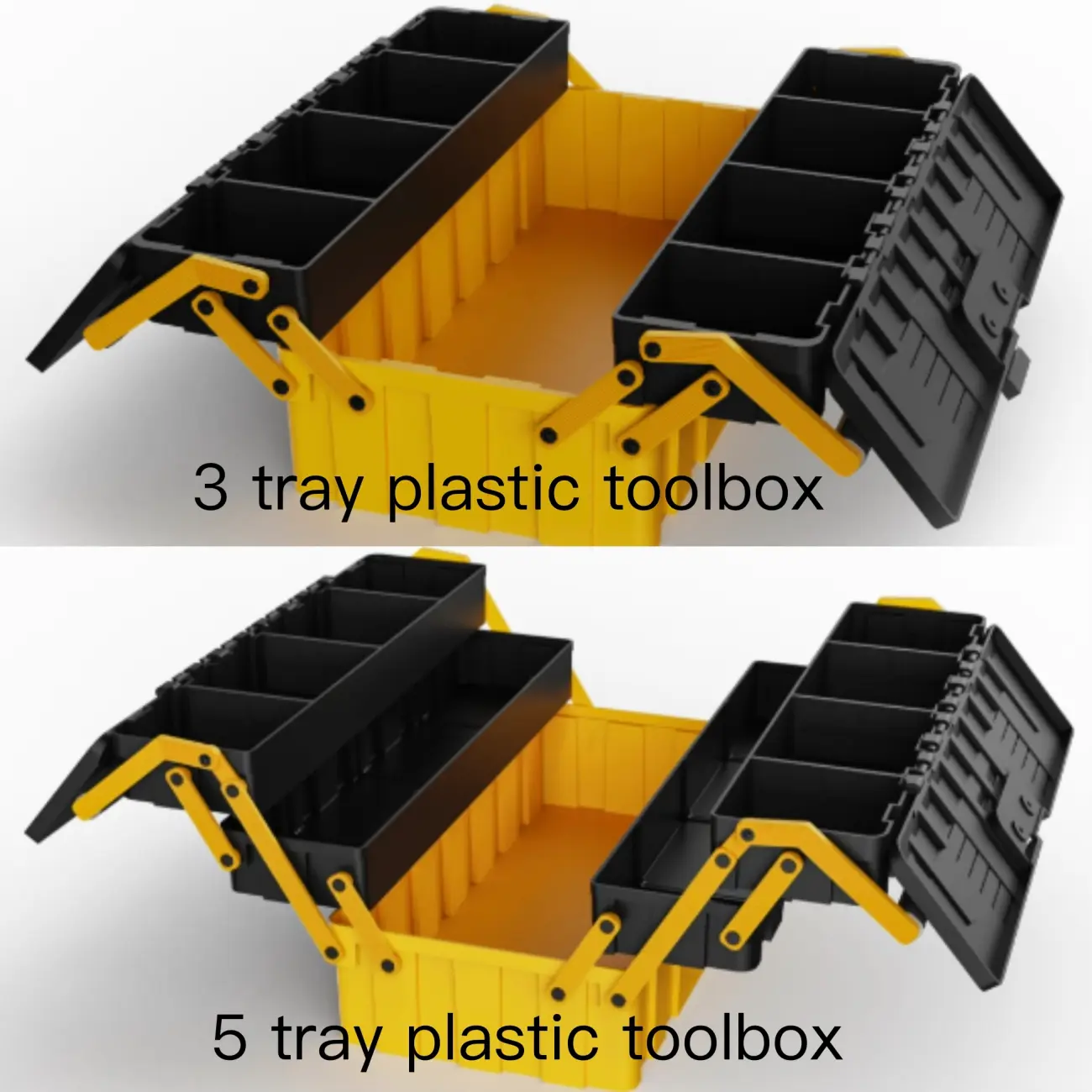
For example, cantilever toolbox designs allow multiple trays to open outward, providing quick access to different tools without removing everything from the main compartment.
This design is suitable for:
Maintenance technicians
Electricians
Service professionals
Workshop users
Jingyan Tools provides different plastic toolbox configurations, including:
3 Tray Plastic Toolbox
Specifications:
Material: ABS + PA
Size: 46 × 26.5 × 15.8 cm
Load Capacity: 30 kg
This model is suitable for customers who need compact and organized storage.
Specifications:
Material: ABS + PA
Size: 46 × 26.5 × 21 cm
Load Capacity: 30 kg
This model provides additional storage space for users who need more tool classification capability.
Different configurations allow buyers to select products according to their market requirements.
2.Maintenance Requirements and Product Lifecycle
However, for distributors and brands, products requiring less maintenance can create long-term commercial advantages.
Metal toolboxes may require additional maintenance because:
Surface coating can wear
Scratches may expose metal surfaces
Moisture may cause corrosion
Plastic toolboxes generally require less maintenance.
ABS plastic surfaces provide:
Easy cleaning
Moisture resistance
Stable appearance
For end users, this means less time spent maintaining storage equipment.
For businesses, it can lead to:
Higher customer satisfaction
Fewer after-sales issues
Better product reputation
Why ABS Plastic Toolboxes Are Becoming More Popular
The reason is that ABS provides a balance between:
Strength
Weight
Manufacturing flexibility
Cost efficiency
For professional buyers, this balance makes ABS plastic toolboxes an attractive alternative to traditional metal solutions.
1.ABS Material Advantages in Professional Tool Storage
ABS (Acrylonitrile Butadiene Styrene) is an engineering plastic widely used in industrial products.
Its advantages include:
Structural Stability
ABS provides consistent product performance during daily use.
Compared with ordinary plastic materials, ABS offers:
Better impact resistance
Stronger structure
Improved durability
Lightweight and Durable Performance
One of the biggest advantages of ABS plastic is the ability to combine strength with reduced weight.
Professional users often need to carry multiple tools.
A toolbox that is too heavy can reduce convenience.
ABS materials allow manufacturers to create products that provide:
Reliable protection
Easier transportation
Better user experience
2.Surface Quality and Customization Advantages
Plastic manufacturing provides greater customization possibilities compared with traditional metal production.
Manufacturers can support:
Different colors
Logo customization
Structural changes
Packaging solutions
Different markets may have different preferences.
For example:
European customers may focus on design and product appearance.
North American customers may prioritize practicality and storage capacity.
Brand customers may require products matching their own visual identity.
Injection molding allows manufacturers to create more flexible product solutions.
Jingyan Tools provides OEM and ODM support for customers requiring customized toolbox products.
Choosing the Right Toolbox Solution for Different Business Applications
Therefore, professional buyers should consider not only product specifications but also market applications.
1.Tool Distributors and Hardware Retailers
Customers usually expect toolboxes with:
Good organization
Reliable quality
Practical design
Competitive market value
Plastic toolboxes provide advantages through:
Flexible designs
Multiple configurations
Color options
Better portability
Jingyan Tools offers different toolbox solutions to help distributors meet different market demands.
2.Industrial Maintenance and Professional Users
Typical users include:
Maintenance engineers
Factory technicians
Electrical workers
Service professionals
These users require:
Fast tool access
Organized storage
Long service life
Reliable performance
Multi-layer plastic toolboxes help improve workflow efficiency by allowing users to quickly locate required tools.
3.OEM Brands Looking for Customized Toolbox Products
OEM buyers should evaluate:
Product development ability
Manufacturing experience
Quality management
Production stability
Jingyan Tools supports customers with:
Product customization
Mold development
Structural optimization
Mass production
Customization options include:
Product colors
Logo integration
Packaging design
Structural adjustments
How to Evaluate a Toolbox Supplier Before Bulk Purchasing
For distributors, importers, and brand owners, supplier selection directly affects:
Product quality
Delivery reliability
Customer satisfaction
Long-term business growth
A competitive product from an unreliable supplier may create problems such as:
Unstable quality
Delayed delivery
Poor communication
Limited customization capability
Therefore, professional buyers should evaluate suppliers from multiple perspectives before placing bulk orders.
1.Manufacturing Capability and Production Experience
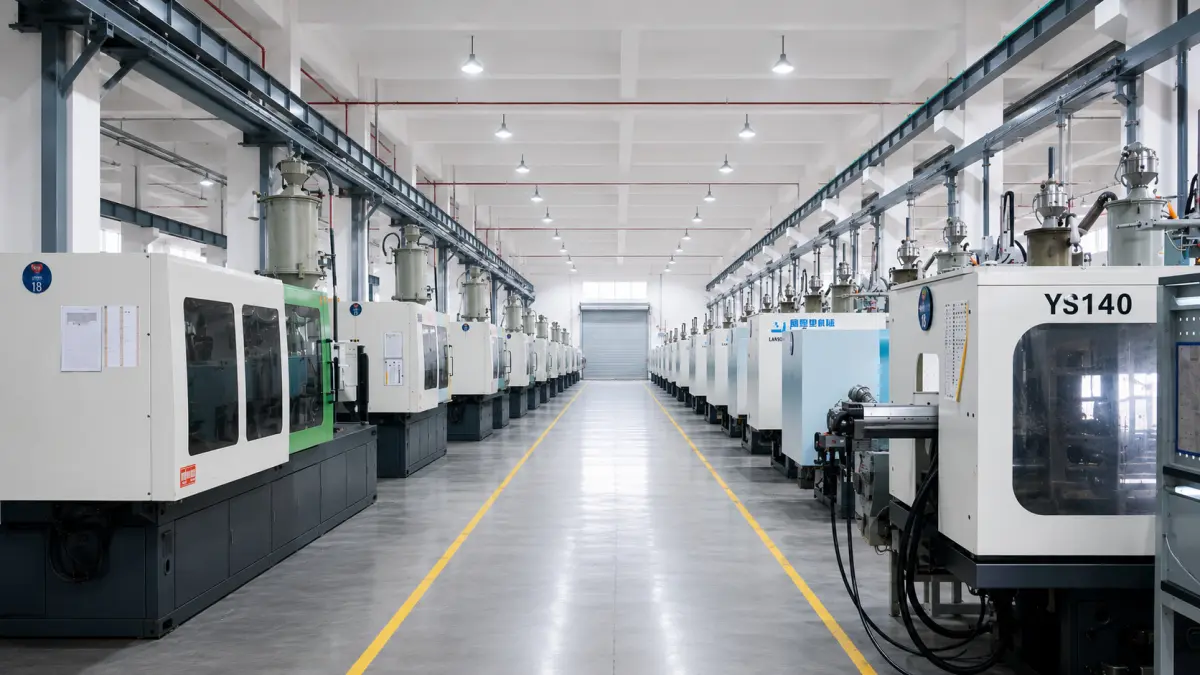
Important evaluation factors include:
Production facilities
Manufacturing experience
Quality control system
Research and development capability
Ningbo Jingyan Tool Industrial Co., Ltd. was founded in 2003 and specializes in industrial tools, plastic products, metal stamping parts, and tool storage solutions.
With a 16,000㎡ self-owned production base and more than 140 professionals, Jingyan Tools operates integrated departments including:
Product research and development
Mold design
Injection molding
Metal processing
Quality control
Customer service
This integrated manufacturing system allows the company to provide stable production support for global customers.
2.Quality Control and Certification Standards
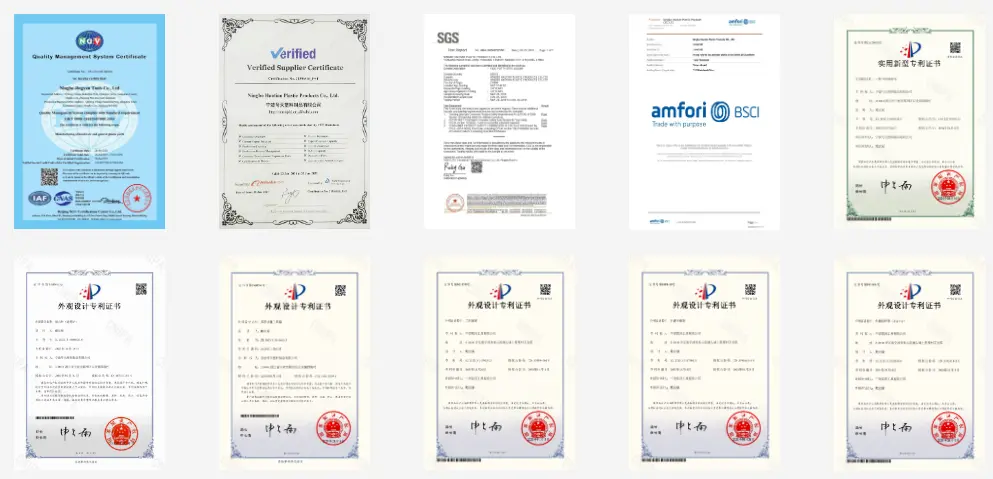
A qualified supplier should have clear procedures covering:
Incoming material inspection
Production process control
Product testing
Final inspection
Jingyan Tools has established a complete quality control system supported by professional testing capabilities.
The company has obtained international certifications including:
ISO 9001
CE
ROHS
FDA
BSCI
CPC
These certifications demonstrate the company’s commitment to consistent product quality and compliance with international market requirements.
3.OEM and ODM Customization Capability
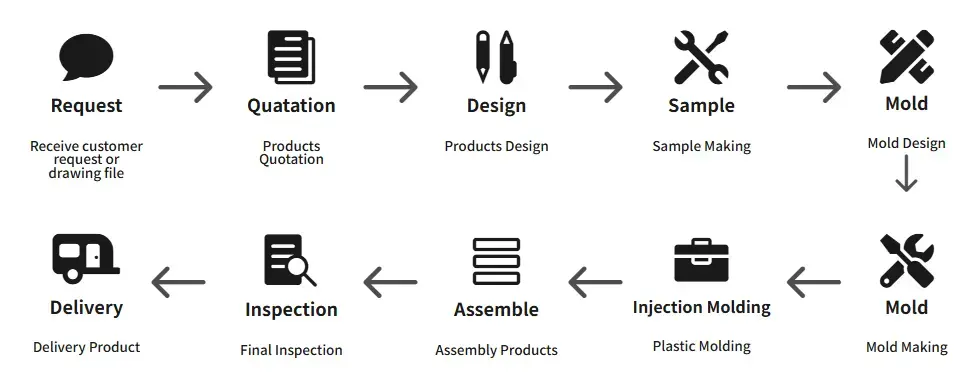
OEM and ODM capability allows companies to develop products according to their own business strategies.
Professional buyers should evaluate whether suppliers can provide:
Custom product design
Mold development
Material selection support
Packaging customization
Production scalability
Jingyan Tools provides one-stop OEM and ODM services from product concept development to mass production.
With professional R&D capabilities and in-house mold development experience, Jingyan supports customers in creating customized toolbox solutions.
4.Production Capacity and Delivery Reliability
Late delivery may affect:
Inventory planning
Sales schedules
Customer relationships
A reliable manufacturer should have:
Stable production capacity
Efficient production management
Clear lead times
Jingyan Tools operates more than 50 sets of precision production equipment, including:
Injection molding machines
CNC machining centers
Stamping machines
Mold workshop equipment
The company provides standard production lead times of approximately 30 days, with expedited options available for urgent requirements.
This production capability helps international customers maintain stable supply chains.
Jingyan Tools: Professional Toolbox Manufacturing Partner
A long-term partnership requires:
Reliable quality
Manufacturing experience
Technical capability
Communication efficiency
Ningbo Jingyan Tool Industrial Co., Ltd. has focused on industrial manufacturing since 2003.
The company specializes in:
Tool storage products
Industrial workbenches
Plastic products
Metal stamping components
With a professional production system and experienced technical team, Jingyan provides solutions for customers across different industries.
The company’s products are exported to more than 30 countries and regions, including:
Europe
North America
Southeast Asia
Middle East
Oceania
As a designated supplier for international brands including Stanley and Bosch, Jingyan has maintained long-term cooperation with global customers for more than 11 years.
For companies searching for a reliable toolbox manufacturing partner, choosing an experienced manufacturer can create long-term advantages in product quality, supply stability, and market development.
Frequently Asked Questions About Plastic and Metal Toolboxes
1.Is a plastic toolbox better than a metal toolbox?
Plastic toolboxes are often preferred when buyers need:
Lightweight design
Corrosion resistance
Flexible customization
Easier transportation
Metal toolboxes may be suitable for applications requiring extremely rigid structures.
Professional buyers should select materials based on their target customers and market needs.
2.Why are ABS plastic toolboxes popular among professional users?
Key advantages include:
Impact resistance
Lightweight construction
Stable performance
Customization flexibility
These characteristics make ABS plastic suitable for professional tool storage applications.
3.What should buyers consider when choosing a toolbox supplier?
Professional buyers should evaluate:
Manufacturing experience
Production capability
Quality certifications
OEM/ODM support
Delivery reliability
A supplier with complete manufacturing capabilities can provide more stable long-term cooperation.
4.Can toolbox manufacturers provide customized solutions?
Color customization
Logo design
Packaging solutions
Product structure improvements
Customization helps brands create differentiated products in competitive markets.
5.What is the difference between 3 tray and 5 tray plastic toolboxes?
A 3 tray plastic toolbox provides a more compact solution suitable for users who need essential tool organization.
A 5 tray plastic toolbox provides additional storage layers for users who require more tool classification.
For distributors, offering different configurations allows them to serve different customer groups.
Conclusion: Selecting the Right Toolbox Solution for Long-Term Business Value
Plastic toolboxes and metal toolboxes both have their own advantages.
Metal toolboxes provide traditional strength and industrial characteristics, while plastic toolboxes offer advantages in:
Weight efficiency
Corrosion resistance
Design flexibility
Customization possibilities
For professional buyers, distributors, and brand owners, the best choice depends on market positioning, customer requirements, and long-term business goals.
When evaluating toolbox products, companies should consider more than product appearance or purchase price.
Important factors include:
Material performance
Storage design
Manufacturing quality
Supplier capability
Customization support
Working with an experienced manufacturer can help businesses develop reliable products, maintain stable supply chains, and create stronger market competitiveness.
With professional manufacturing experience, advanced production capabilities, and OEM/ODM support, Jingyan Tools provides toolbox solutions for global customers seeking reliable long-term partnerships.
Ralated Products