How to Choose a Folding Woodworking Workbench for Flexible Workshop Use
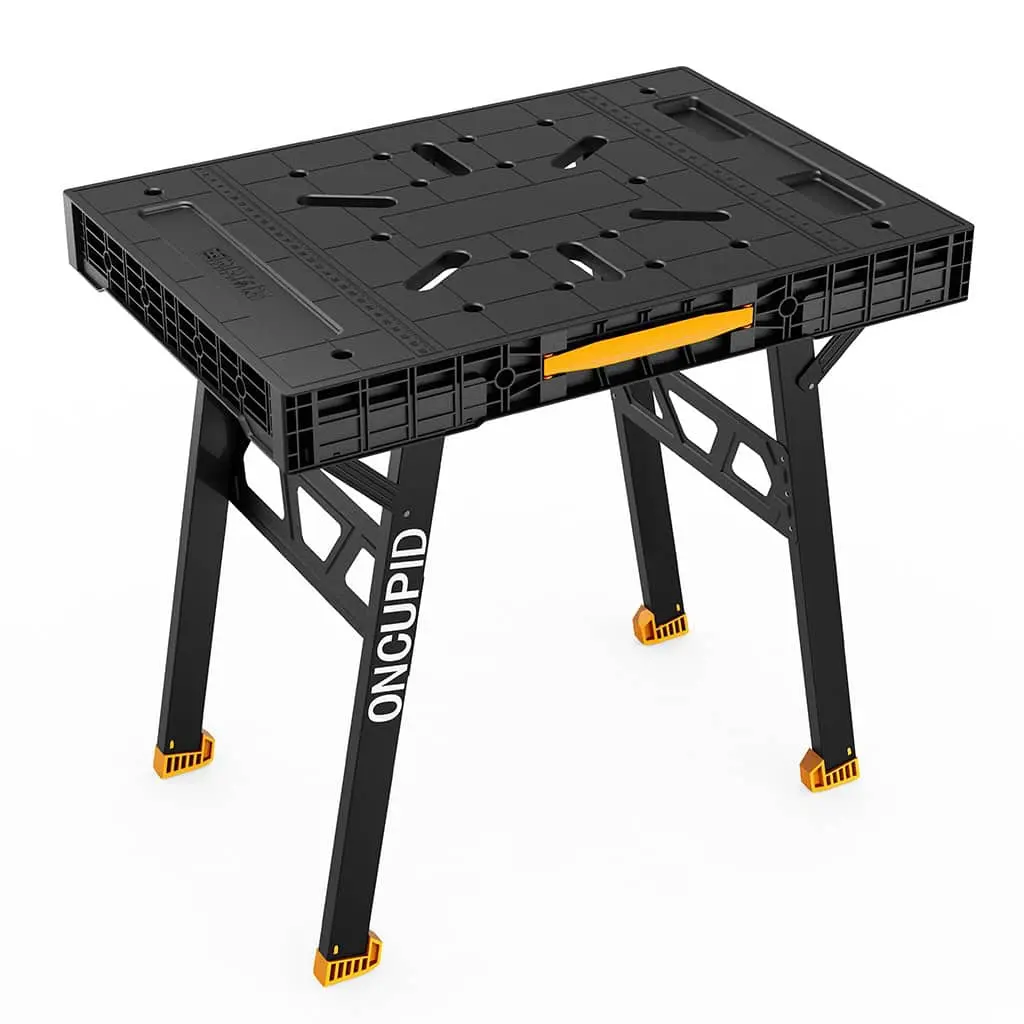
Woodworking does not always happen in a large, permanent workshop.
A professional shop may have dedicated benches and fixed equipment, while smaller workshops, maintenance areas, training facilities, contractors, and production environments may need a work surface that can be opened when required and stored when the task is complete.
That is where a folding woodworking workbench can become an interesting equipment option.
However, choosing one for woodworking is not simply a matter of finding a bench that folds.
A workbench used for woodworking needs to provide a practical combination of working surface, structural stability, load capability, usable dimensions, storage efficiency, and material suitability. For businesses sourcing products for distribution or professional use, there is another layer to consider: consistency, customization, packaging, and supplier capability.
The right question is therefore not:
“Which folding workbench looks the most convenient?”
It is:
“Which folding woodworking workbench provides the right balance between working performance, space efficiency, product specifications, and sourcing requirements?”
This article looks at that question from a practical and procurement-oriented perspective.
Table of Contents
- Why Woodworking Changes the Way a Folding Workbench Should Be Evaluated
- Start With the Work, Not the Workbench
- What Makes a Folding Woodworking Workbench Different?
- Evaluate the Working Surface Before the Folding Mechanism
- Why Stability Matters in Woodworking
- Load Capacity Is Important — But It Is Not the Whole Story
- The Advantage of a Plastic Workbench Surface
- Folding Changes the Value of Workshop Space
- A Folding Bench Can Support More Than One Workshop Routine
- What Procurement Teams Should Check Before Ordering
- How Jingyan Tools Approaches Folding Workbench Manufacturing
- How a Folding Workbench Fits Into a Larger Workshop Product Range
- When a Folding Woodworking Workbench May Not Be the Right Choice
- A Practical Checklist for Choosing a Folding Woodworking Workbench
- Why the Best Folding Workbench Is Not Necessarily the Heaviest One
- What Makes a Folding Workbench More Attractive to B2B Buyers?
- FAQ About Folding Woodworking Workbenches
- Final Takeaway: Choose for the Workflow, Not Just the Product Category
Why Woodworking Changes the Way a Folding Workbench Should Be Evaluated
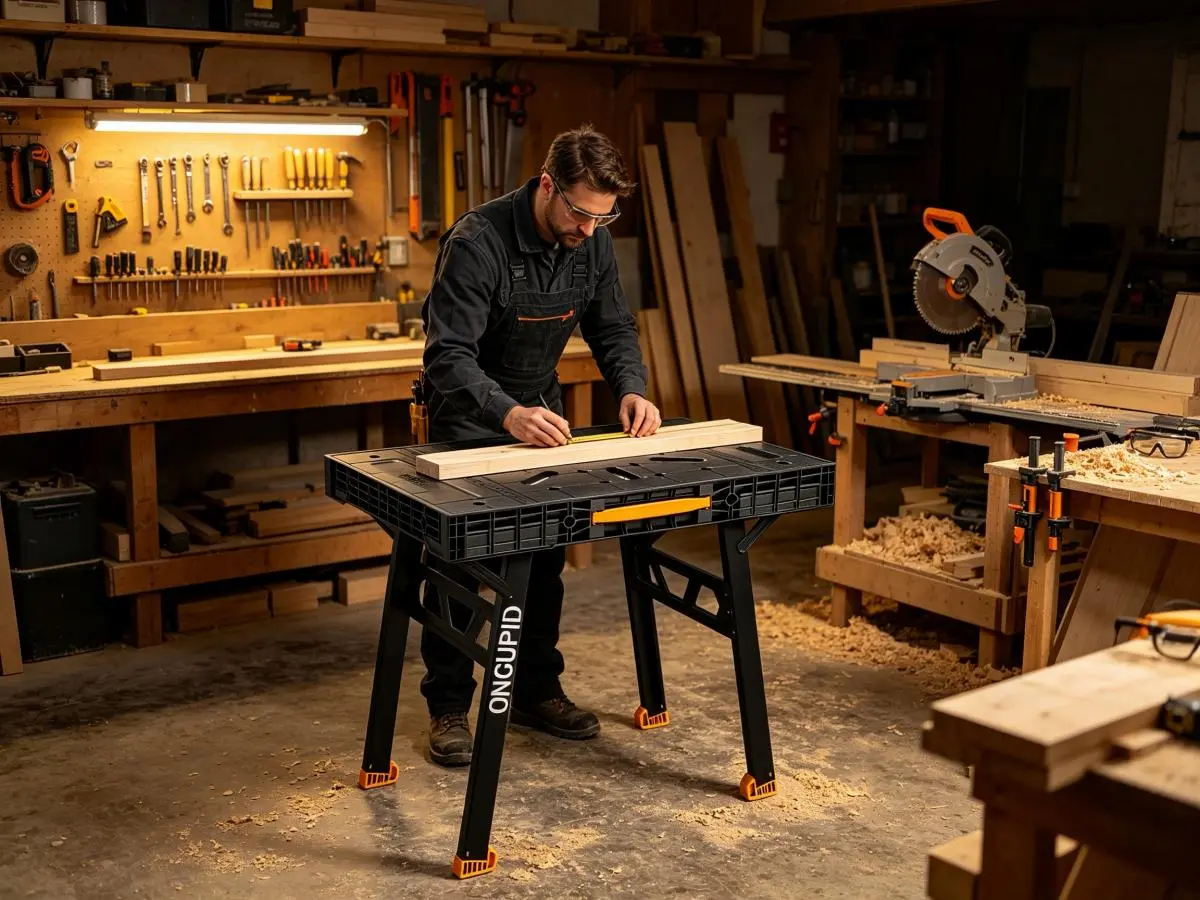
A workbench is not simply a table.
Woodworking activities can include measuring, marking, cutting, drilling, sanding, assembly, finishing, inspection, and temporary material preparation. Each task places slightly different demands on the working surface.
A bench that is convenient for light assembly may not be equally suitable for operations that require greater stability.
Likewise, a very heavy fixed bench may provide excellent rigidity but become impractical in a workshop where floor space changes frequently.
This creates an important balance.
A folding design needs to provide enough working support when open while remaining practical to store when the work area needs to be cleared.
For woodworking professionals, workshops, distributors, and importers, this balance can be more important than any single headline specification.
Start With the Work, Not the Workbench
One of the easiest mistakes when selecting workshop equipment is starting with the product rather than the application.
Instead of immediately comparing different bench models, define what the bench will actually be expected to do.
For example, a woodworking environment may use a workbench for:
- Material preparation
- Assembly
- Measuring and marking
- Sanding
- Light drilling
- Finishing work
- Temporary project support
- Inspection
- Packing and preparation
These applications are not identical.
A bench primarily used for assembly may have different requirements from one used for repeated cutting or heavy clamping.
For procurement teams, this distinction is particularly useful.
A distributor does not necessarily need to source the heaviest possible bench. Instead, the product should match the customer applications it is intended to serve.
That makes application analysis the first step in evaluating a woodworking bench.
What Makes a Folding Woodworking Workbench Different?
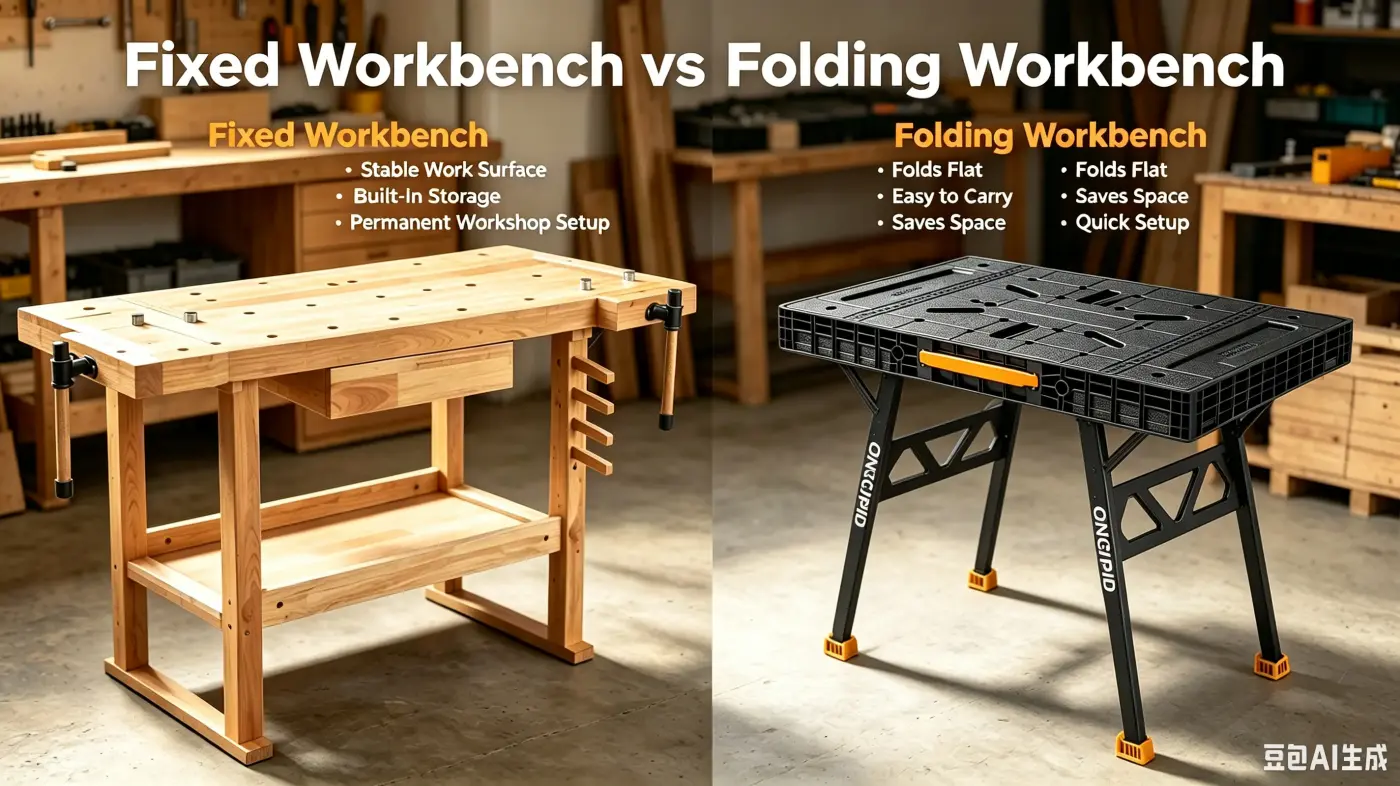
A fixed workbench is designed to remain in one location.
A folding design introduces another consideration: what happens when the bench is not being used?
The ability to fold changes the relationship between the product and the available workspace.
A workshop can open the bench for a project, use the available working surface, and then fold the product when the space is needed for another activity.
This can be especially useful in environments where one area performs multiple functions.
For example, a small production area might be used for assembly in the morning and packaging later in the day. A training room may need to change from practical work to another activity. A maintenance area may need temporary working space without permanently occupying the floor.
The value of folding therefore comes from space management, not simply from portability.
That distinction is important.
Evaluate the Working Surface Before the Folding Mechanism
The folding mechanism may attract attention because it is easy to demonstrate.
However, the working surface is where the user actually performs the task.
For woodworking applications, buyers should consider:
- Overall working dimensions
- Usable surface area
- Surface material
- Surface rigidity
- Edge design
- Ease of cleaning
- Resistance to normal workshop use
A larger surface can be useful for working with wider materials or assembling multiple components.
A more compact surface can be preferable where available floor space is limited.
There is no universal “best” work surface.
The correct specification depends on the intended application.
This is one reason a folding woodworking workbench should be evaluated as a complete system rather than judged solely by whether it folds.
Why Stability Matters in Woodworking
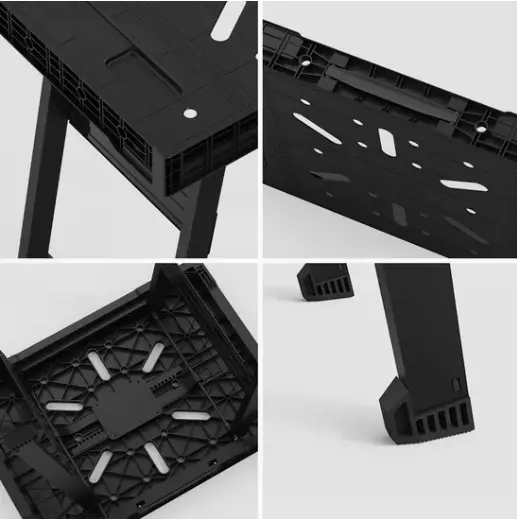
Stability is one of the most important characteristics of any woodworking bench.
When a user marks a board, drills a component, sands an edge, or assembles parts, unwanted movement can make the task more difficult.
This does not mean every woodworking application requires a permanently installed heavy-duty bench.
Instead, buyers should consider how the product is expected to perform under its intended load and working conditions.
A stable folding design should provide a reliable support structure when fully opened.
For product buyers, several details deserve attention:
- Frame construction
- Leg structure
- Joint design
- Locking mechanism
- Contact points with the floor
- Weight distribution
- Rated load capacity
These factors should be evaluated together.
A high load rating alone does not automatically make a bench suitable for every woodworking application.
Load Capacity Is Important — But It Is Not the Whole Story
Load capacity is one of the easiest specifications to compare.
It is also one of the easiest to misunderstand.
The listed load capacity should be considered together with the type of load and the way the bench is used.
A static load distributed across the work surface is different from a concentrated load applied to one area.
Similarly, normal assembly work may create different stresses from impact or aggressive mechanical operations.
For procurement teams, it is therefore better to ask suppliers for clear information about:
- Rated load capacity
- Testing conditions
- Recommended operating configuration
- Whether the rating refers to static or dynamic loading
- Any limitations stated by the manufacturer
This approach produces a more reliable purchasing decision than simply comparing the largest number.
The Advantage of a Plastic Workbench Surface
Not every woodworking workbench needs to use a traditional wooden top.
This is particularly relevant when comparing products intended for different markets.
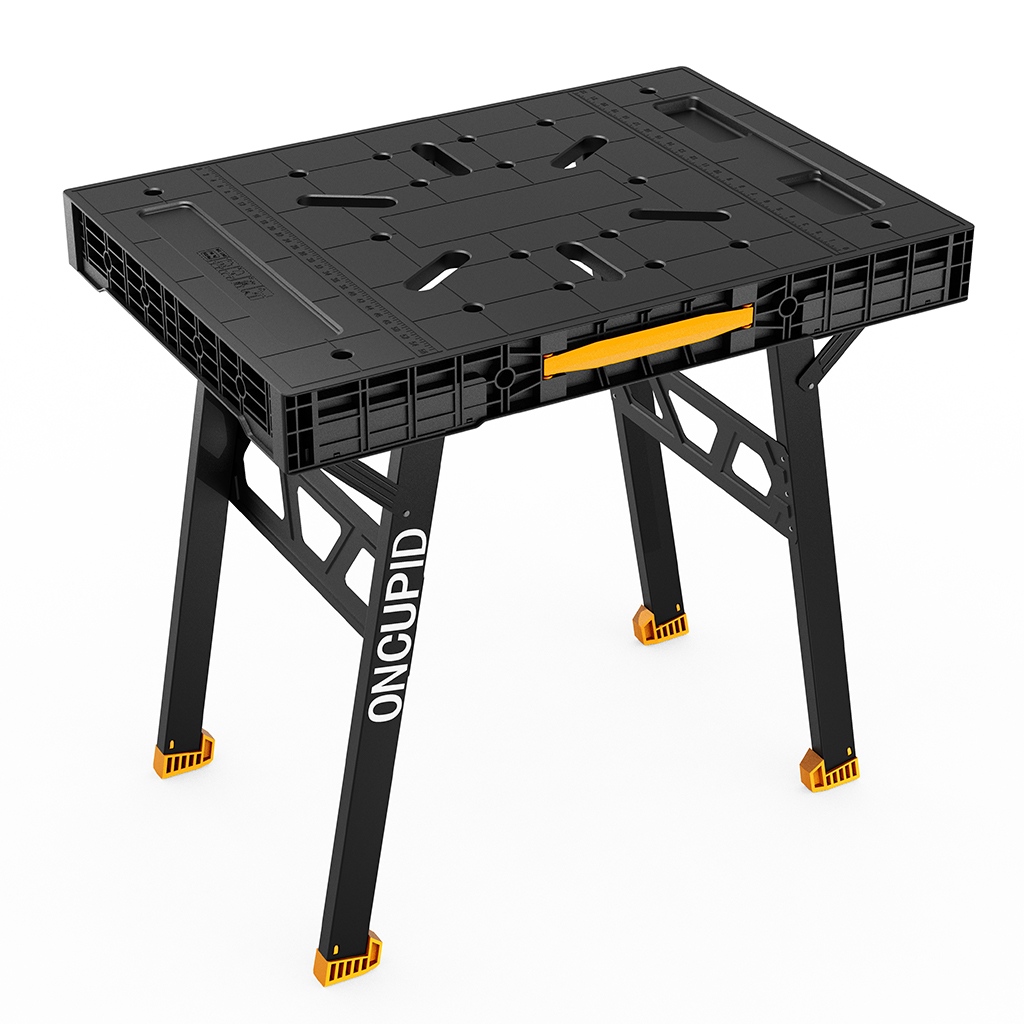
Jingyan Tools’ folding workbench uses a PP tabletop with a reinforced carbon steel frame.
This construction approach creates a different product proposition from traditional solid-wood woodworking benches.
A plastic work surface can offer practical advantages in environments where easy maintenance, consistent production, weight control, and scalable manufacturing are important.
For example, a distributor may prefer a product that can be produced consistently across larger quantities rather than relying on natural wood characteristics that can vary between batches.
The material decision should therefore be evaluated according to the intended market.
A traditional woodworking shop may have very different expectations from a general workshop, maintenance facility, distributor, or retailer.
The important point is not that plastic is universally better than wood.
It is that material selection should match the application and purchasing strategy.
Folding Changes the Value of Workshop Space
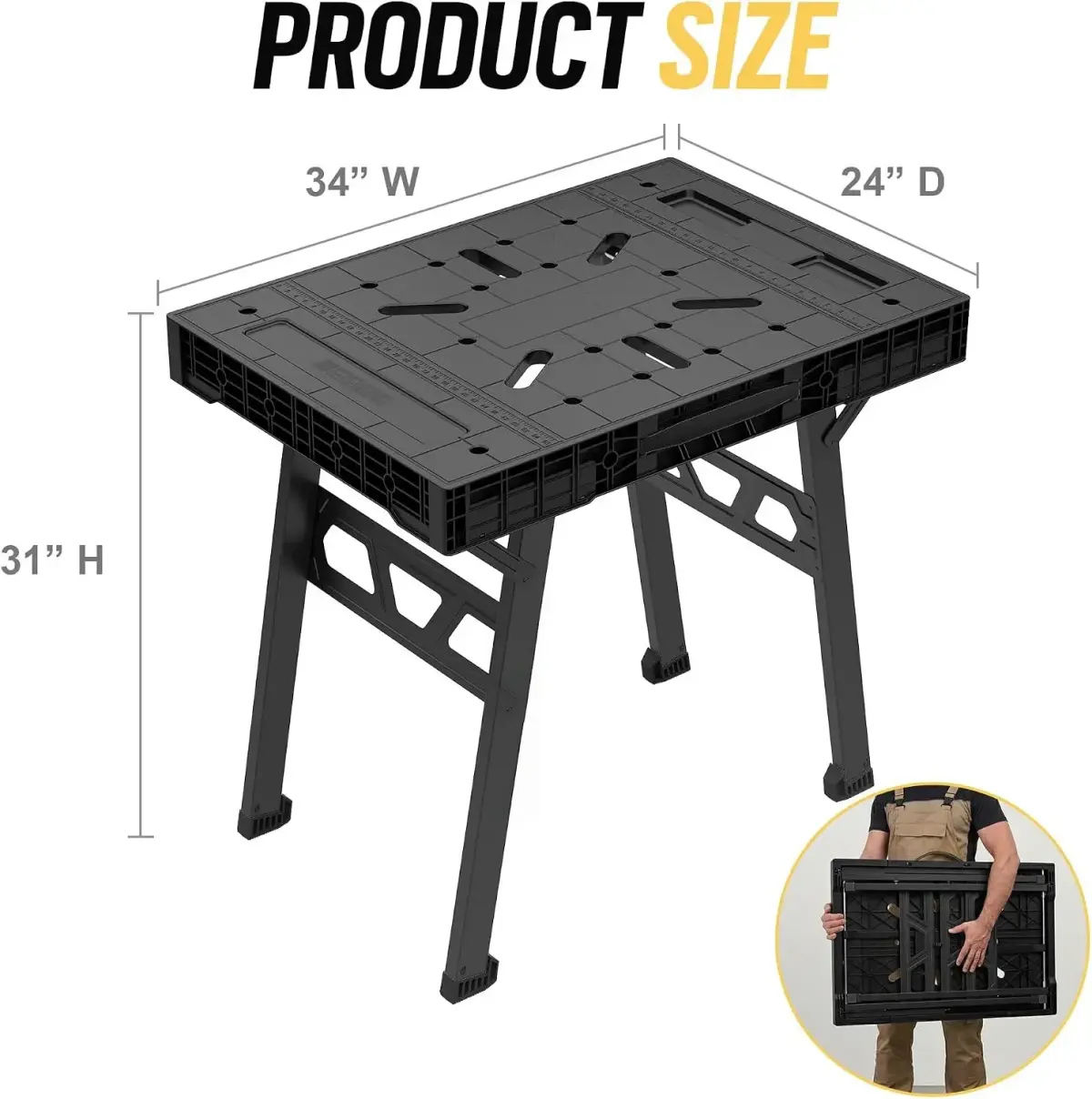
A fixed bench occupies its footprint whether it is being used or not.
A folding bench introduces a different approach.
When the work is finished, the bench can be folded and stored rather than permanently occupying the working area.
This can be valuable for:
- Smaller workshops
- Shared production areas
- Training facilities
- Maintenance rooms
- Temporary workspaces
- Multi-purpose facilities
- Mobile project environments
The benefit becomes particularly noticeable when several pieces of equipment share the same floor area.
Instead of designing the entire room around a permanently installed bench, the operator can create working space when needed.
This makes folding a workspace-management feature, not merely a convenience feature.
A Folding Bench Can Support More Than One Workshop Routine
Woodworking is often described as a single activity, but real workshop routines are more varied.
A user may begin by preparing materials, move into assembly, perform surface finishing, and then clear the workspace for another project.
A flexible bench can support these transitions.
For example, the same work surface may be used during:
Preparation → Assembly → Finishing → Inspection → Storage
The product does not need to perform every function independently.
Instead, it provides a reliable temporary working surface that can be incorporated into a broader workshop workflow.
This way of thinking is particularly useful for B2B buyers because it changes the purchasing question from:
“What does this bench do?”
to:
“Where does this bench fit into our customer’s workflow?”
That is a much stronger commercial positioning strategy.
What Procurement Teams Should Check Before Ordering
For B2B buyers, product specifications are only the beginning.
A successful order also depends on whether the product can be supplied consistently.
Before placing a bulk order, procurement teams should evaluate at least six areas.
Product Specification
Confirm:
- Dimensions
- Material
- Load capacity
- Folding structure
- Product weight
- Color options
Product Consistency
Ask how dimensions, components, materials, and appearance are controlled across production batches.
Packaging
Packaging should be considered together with product dimensions and transportation requirements.
For importers, packaging efficiency can affect warehouse space and logistics costs.
Customization
If the product will be sold under another brand, clarify whether OEM or ODM services are available.
Production Capability
Buyers should understand whether the supplier has the manufacturing infrastructure required for repeat orders.
Quality and Compliance
Depending on the target market, buyers may also need documentation related to applicable product standards, testing, materials, or company quality systems.
This is where supplier evaluation becomes part of product evaluation.
How Jingyan Tools Approaches Folding Workbench Manufacturing
For buyers, the manufacturer behind a product can be as important as the product itself.
Jingyan Tools is the brand of Ningbo Jingyan Tool Industrial Co., Ltd., established in 2003.
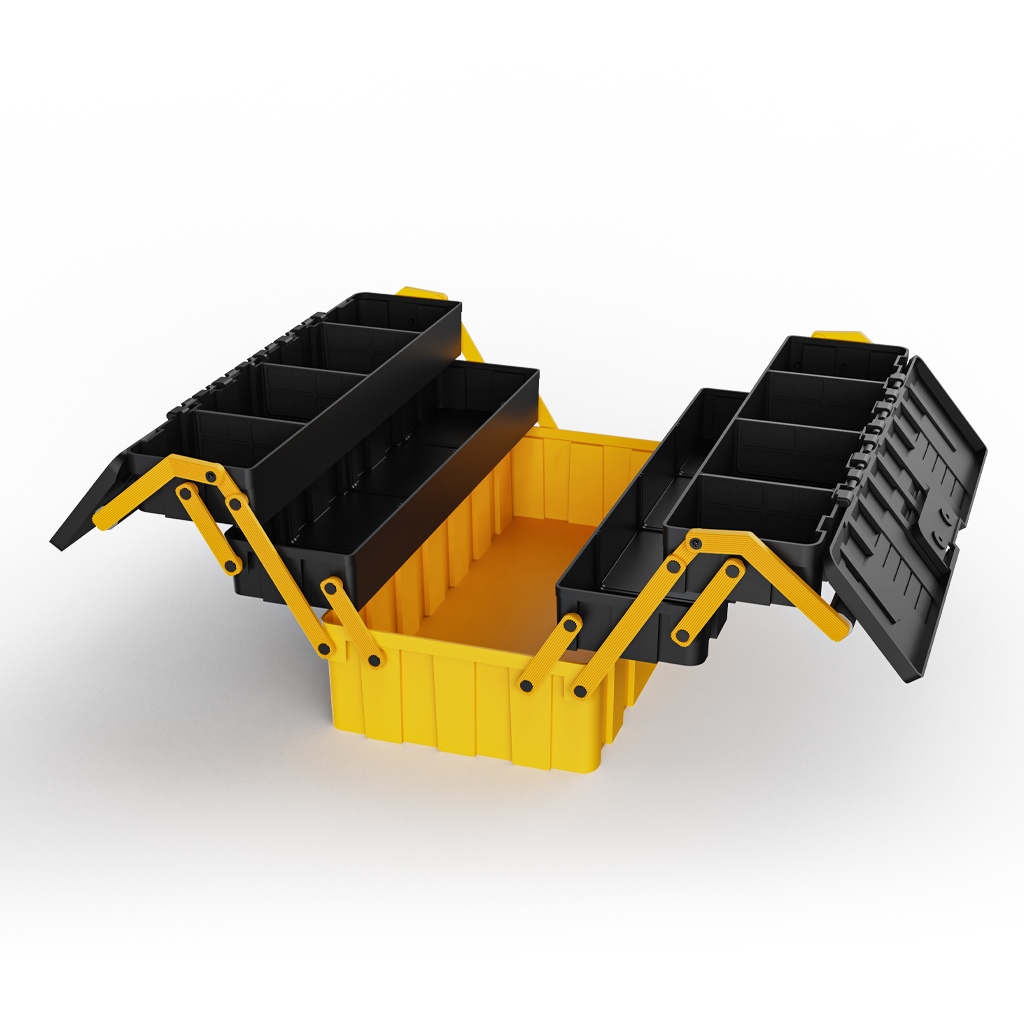
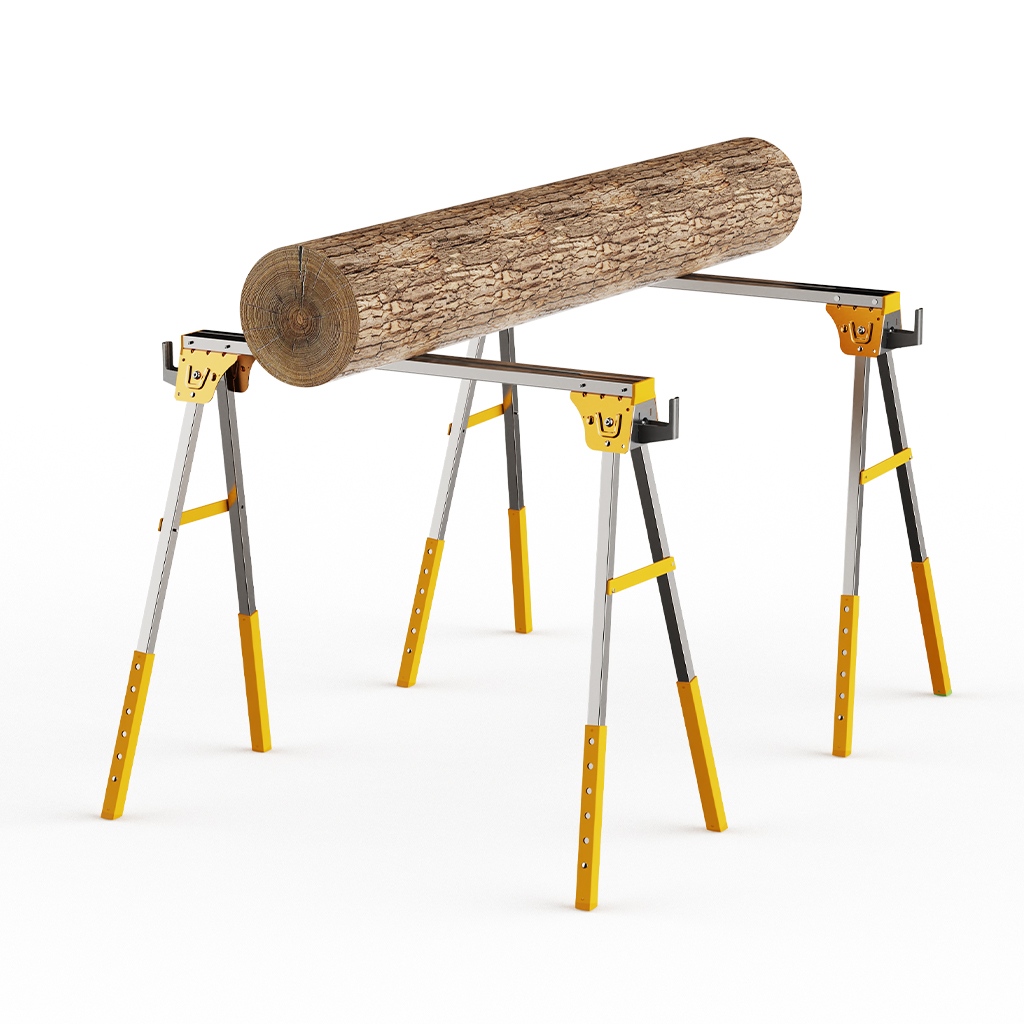
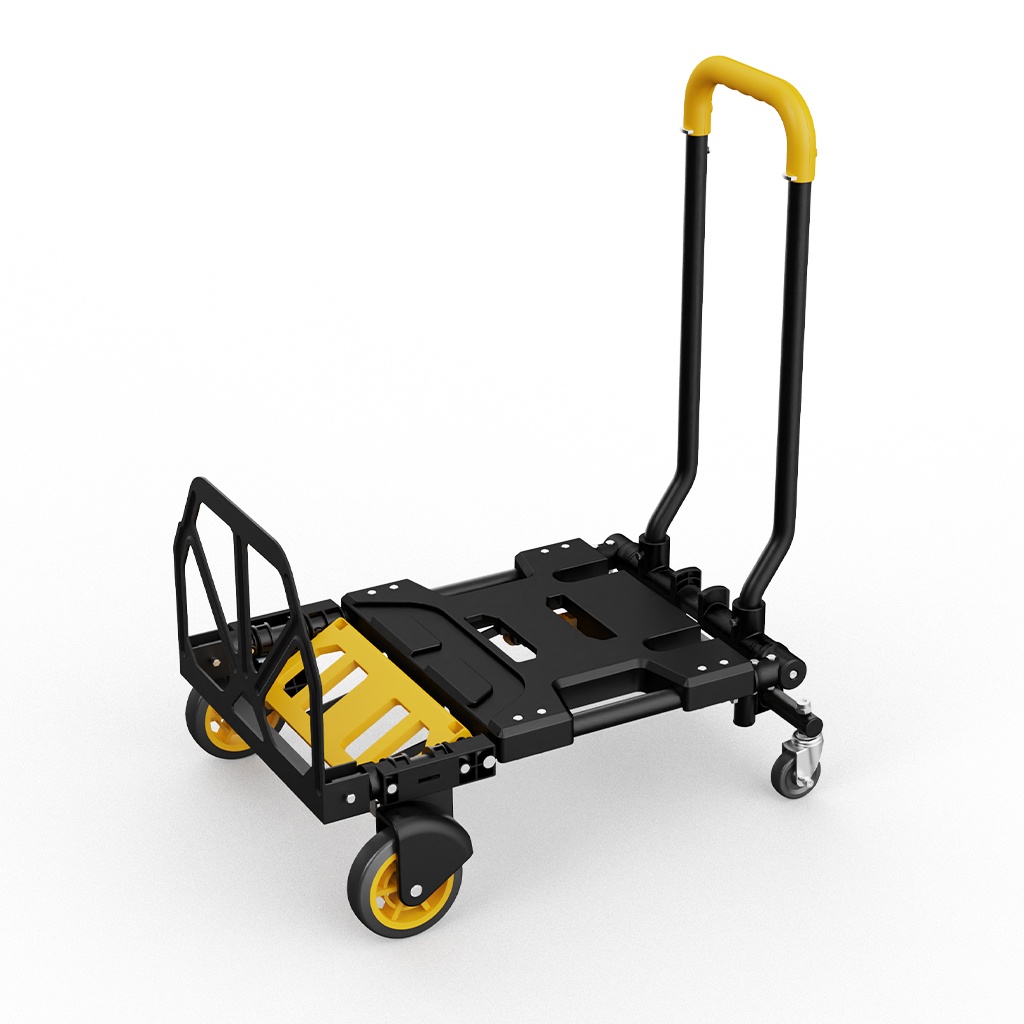
The company manufactures a broader range of workshop and handling products, including workbenches, sawhorses, toolboxes, hand trucks, and related tools.
This broader manufacturing background can be useful for B2B buyers who are building or expanding a workshop-equipment product range.
Instead of treating the folding workbench as an isolated item, a distributor can potentially evaluate it alongside other complementary workshop products.
The company’s product development approach also supports OEM and ODM requirements, allowing qualified customers to discuss product specifications, colors, branding, packaging, and other project requirements.
For international buyers, this can simplify supplier management when multiple workshop categories are involved.
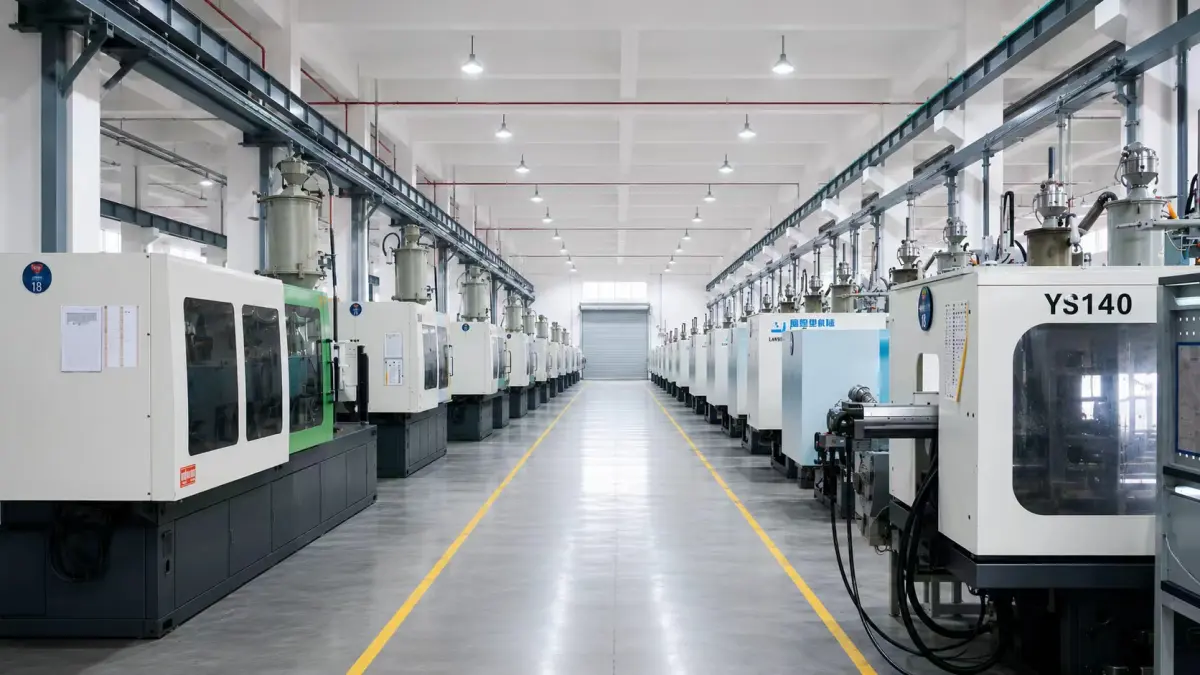
Jingyan Tools states that it operates a 16,000㎡ self-owned production base with more than 140 professionals and more than 50 sets of production equipment.
How a Folding Workbench Fits Into a Larger Workshop Product Range
A workbench rarely exists in isolation.
Different workshop products perform different jobs.
A foldable workbench provides a working surface.
A foldable sawhorse can provide support for cutting and material preparation.
A toolbox can organize tools and accessories.
A hand truck can assist with moving materials and equipment around the working area.
These products should not be forced into one article as if they were identical.
Instead, they form different parts of a workshop workflow.
For example:
Material Storage → Material Handling → Work Support → Cutting / Assembly → Tool Organization
The workbench belongs primarily to the work-support stage.
That distinction also helps avoid unnecessary internal keyword competition.
The folding workbench article can explain how a work surface fits into the broader workflow, while the product pages remain responsible for detailed product specifications and commercial purchasing intent.
When a Folding Woodworking Workbench May Not Be the Right Choice
A professional article should also explain its limitations.
A folding design may not be appropriate for every woodworking environment.
A permanent professional woodworking shop with dedicated floor space may prefer a large fixed bench.
Heavy industrial applications may require equipment designed for significantly higher loads.
Certain precision woodworking operations may require specialized benches with integrated vises, dog holes, clamping systems, or other dedicated features.
The right product therefore depends on the application.
A folding bench is particularly attractive when the buyer values a combination of:
- Usable work surface
- Folding storage
- Flexible workspace
- Reasonable weight
- Easy deployment
- Repeatable manufacturing
- Practical B2B sourcing
That positioning is more credible than claiming that folding designs are universally superior.
A Practical Checklist for Choosing a Folding Woodworking Workbench
Before selecting a model, buyers can use the following checklist.
1. Define the Main Work
Will the bench primarily support:
- Assembly?
- Sanding?
- Measuring?
- Drilling?
- Material preparation?
- Inspection?
2. Determine the Required Load
Estimate normal and maximum loads instead of choosing based on appearance.
3. Check the Working Dimensions
Make sure the work surface fits the materials and tasks that customers commonly handle.
4. Evaluate Stability
Look at the frame, legs, joints, locking structure, and floor contact.
5. Review the Folding Design
Check how the bench folds, how much space it occupies when folded, and whether the mechanism is practical for repeated use.
6. Check Material Selection
Compare the tabletop and frame materials against the intended market.
7. Consider Storage
Determine whether folded storage is an important advantage for the target customer.
8. Evaluate the Supplier
For wholesale and distribution projects, review OEM/ODM capability, production consistency, packaging, quality control, and communication.
This checklist gives buyers a more complete way to compare products than simply searching for the highest load rating.
Why the Best Folding Workbench Is Not Necessarily the Heaviest One
There is a common assumption that heavier equipment must always be better.
That is not necessarily true.
A heavier bench may provide greater mass and rigidity, but it may also be more difficult to reposition or store.
For some users, the priority is maximum stability.
For others, the priority may be the ability to clear the workspace after completing a project.
For distributors, weight can also affect packaging and logistics considerations.
Therefore, product selection should be based on the relationship between:
Stability + Capacity + Weight + Storage + Application
rather than any single number.
This is especially important for a manufacturer developing products for multiple international markets.
What Makes a Folding Workbench More Attractive to B2B Buyers?
For B2B customers, the product itself is only one part of the value proposition.
A commercially attractive product should also be straightforward to position.
A folding woodworking workbench can appeal to several business models because its use case is not restricted to one type of facility.
Potential markets can include:
- Workshop-equipment distributors
- Tool importers
- Hardware retailers
- Professional tool brands
- Workshop-supply companies
- Home-improvement channels
- Industrial supply distributors
However, this does not mean the same marketing message should be used for every buyer.
A distributor may care about product range and repeat supply.
A retailer may care about packaging and shelf presentation.
A professional tool brand may prioritize customization.
An importer may focus on production consistency and logistics.
That is why B2B marketing should focus on the commercial use of the product, not simply list technical specifications.
FAQ About Folding Woodworking Workbenches
1.What is a folding woodworking workbench?
A folding woodworking workbench is a workbench designed for woodworking-related tasks while incorporating a folding structure that allows the product to be stored more efficiently when it is not being used.
2.a folding workbench suitable for woodworking?
It can be suitable for woodworking tasks such as assembly, measuring, sanding, material preparation, and other applications when the product’s load capacity, stability, dimensions, and construction match the intended work.
3.Is a plastic workbench suitable for woodworking?
A plastic workbench can be suitable for many woodworking and workshop applications. The suitability depends on the tabletop design, frame construction, stability, load capacity, and intended use rather than the material name alone.
4.What should I check when buying a folding woodworking workbench?
Buyers should consider work surface dimensions, load capacity, stability, folding structure, materials, product weight, storage requirements, and the manufacturer’s production capability.
5.Is a folding workbench suitable for professional workshops?
It can be useful in professional environments where flexible workspace and compact storage are important. However, buyers should match the product specifications to the actual workload and operating conditions.
6.Can folding workbenches be customized for wholesale orders?
Depending on the manufacturer, OEM and ODM services may allow customization of colors, branding, packaging, components, or other specifications.
Final Takeaway: Choose for the Workflow, Not Just the Product Category
A folding woodworking workbench should not be evaluated simply because it is labeled “folding” or “woodworking.”
The more useful approach is to examine how the product fits the actual workflow.
A good evaluation considers:
Work surface → Stability → Load capacity → Materials → Folding structure → Storage → Supplier capability
For end users, this creates a more practical purchasing decision.
For distributors and importers, it creates a stronger product-positioning strategy.
And for manufacturers, it highlights why product design should begin with actual working requirements rather than simply adding more features.
Jingyan Tools approaches its folding workbench as part of a broader workshop-equipment portfolio, supported by manufacturing experience in workbenches, sawhorses, toolboxes, hand trucks, and related tools.
For businesses sourcing folding workbenches for woodworking, workshop, distribution, or private-label applications, the next step is to compare the required specifications with the supplier’s actual production and customization capabilities.
A folding workbench becomes more valuable when its design, application, and supply capability all work together.
Related products