How to Choose a Plastic Toolbox for Garage Workshops and Professional Use
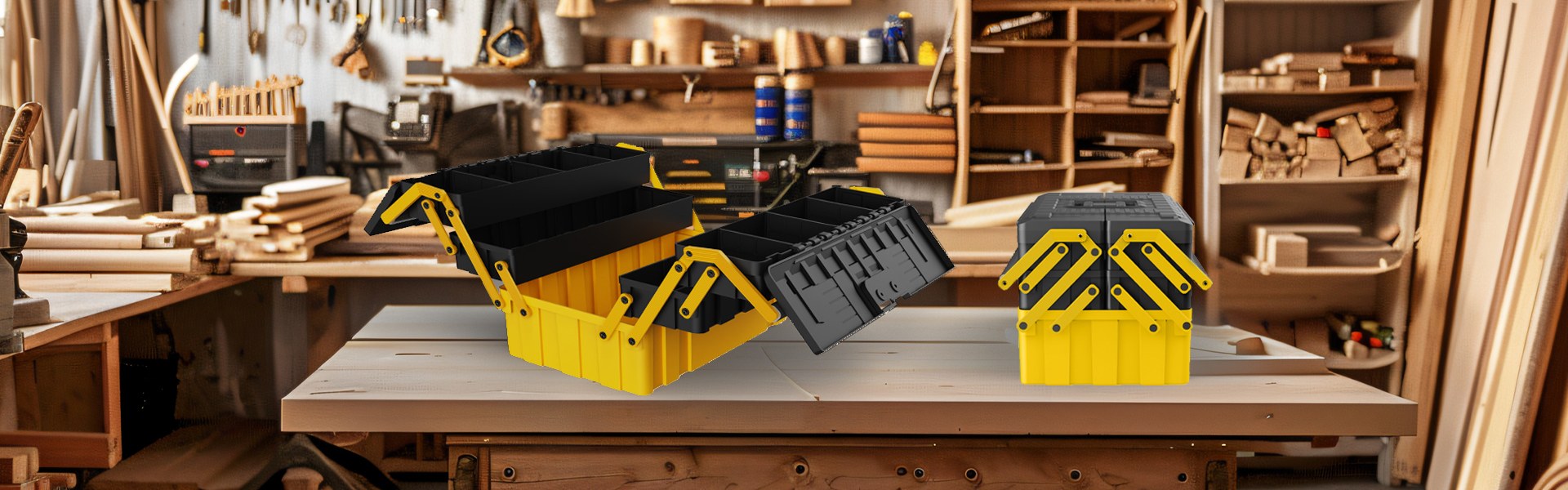
Choosing the right toolbox is an important decision for anyone who needs efficient tool organization.
A toolbox is not only used to store tools. It plays an important role in protecting equipment, improving working efficiency, and creating a better working environment.
For garage workshops, maintenance teams, contractors, and professional users, a suitable plastic toolbox can make daily tasks easier by keeping tools organized and accessible.
However, selecting the right toolbox requires more consideration than simply choosing a product based on appearance.
Different users have different requirements.
A home workshop user may need:
- Compact storage
- Easy transportation
- Simple organization
Professional users may require:
- Larger storage capacity
- Strong structure
- Better classification
- Long-term durability
For importers, distributors, and tool brands, choosing a plastic toolbox also requires evaluating market demand and product positioning.
A successful toolbox product should combine:
- Practical design
- Reliable quality
- Suitable storage capacity
- Competitive market value
This guide explains how to choose a plastic toolbox by analyzing material, storage structure, dimensions, load capacity, and application scenarios.
It also introduces how different toolbox configurations, such as 3 Layers Toolbox and 5 Layers Toolbox, can meet different customer requirements.
Table of Contents
- Why Choosing the Right Plastic Toolbox Matters
- Key Factors to Consider When Choosing a Plastic Toolbox
- How to Choose Between 3 Layers and 5 Layers Toolbox
- Plastic Toolbox Applications in Garage Workshops
- How Distributors Should Evaluate Plastic Toolbox Products
- Frequently Asked Questions About Plastic Toolboxes
- Choosing the Right Plastic Toolbox for Long-Term Value
Why Choosing the Right Plastic Toolbox Matters
Tools are valuable assets for both professionals and home users.
Without proper storage, tools may become:
- Difficult to locate
- Easily damaged
- Inefficient to transport
- Poorly organized
A well-designed toolbox helps users create a structured tool management system.
For example, maintenance professionals often carry different categories of tools, including:
- Hand tools
- Repair accessories
- Small components
- Measuring equipment
Without proper organization, workers may spend unnecessary time searching for tools.
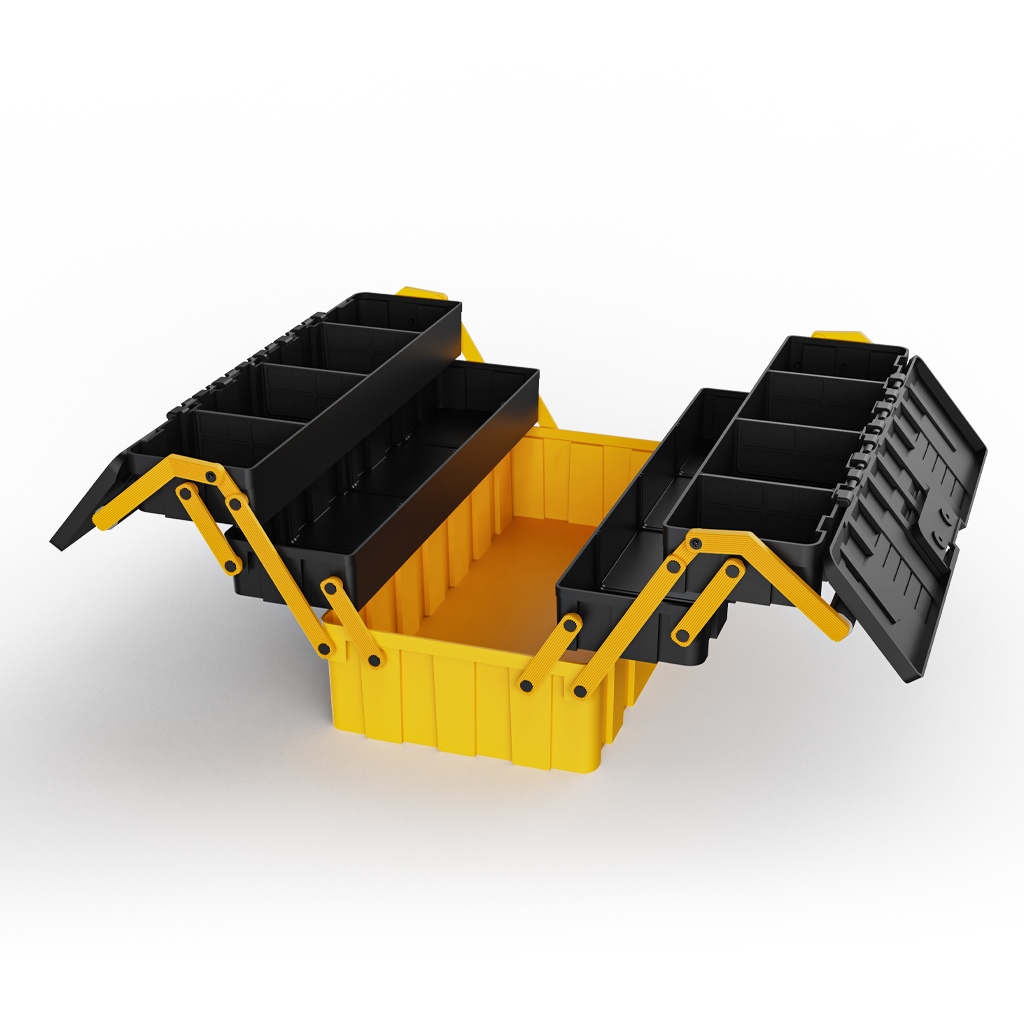
A multi-layer toolbox provides separated storage areas, allowing users to quickly access required equipment.
For garage workshops, a portable toolbox also helps maximize limited space.
Many users do not have large professional workshops, so flexible storage solutions become increasingly important.
For distributors and brands, understanding these user requirements helps select products with stronger market potential.
A toolbox that combines functionality, durability, and attractive design can serve multiple customer groups.
Key Factors to Consider When Choosing a Plastic Toolbox
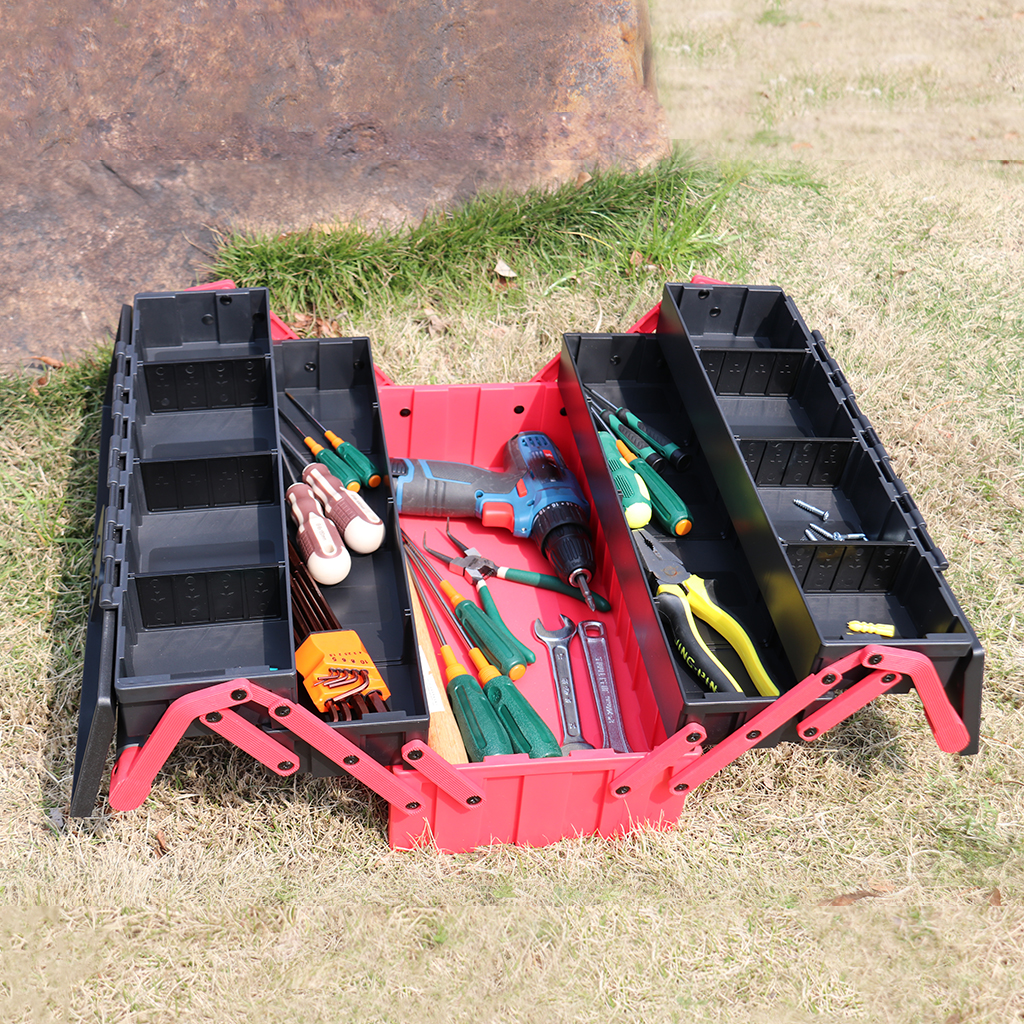
When evaluating a plastic toolbox, buyers should focus on several important factors:
- Material quality
- Storage structure
- Product dimensions
- Load capacity
- Portability
- Application requirements
Choosing the correct combination of these features ensures the toolbox can meet both daily usage needs and long-term expectations.
1.Material Quality and Durability
Material selection directly influences toolbox performance.
A professional plastic toolbox needs to withstand:
- Repeated opening and closing
- Transportation
- Daily workshop environments
High-quality toolboxes commonly use engineering plastics because they provide:
- Strength
- Impact resistance
- Lightweight performance
Jingyan Tools plastic toolbox models use:
ABS + PA material
This material combination provides a balance between:
- Structural strength
- Durability
- Product stability
ABS provides good impact resistance and surface quality, while PA components improve structural performance.
For distributors and importers, material reliability is especially important because product quality directly affects customer satisfaction and brand reputation.
2.Storage Capacity and Layer Design
One of the most important factors when choosing a toolbox is storage structure.
A toolbox should not only store tools but also improve organization efficiency.
Different users have different storage requirements.
A compact toolbox may be enough for:
- Basic maintenance
- Household repairs
- Small tool collections
However, professional users usually need:
- More storage space
- Better classification
- Faster access
This is why multi-layer toolbox designs are widely used.
Different layer configurations allow businesses to serve different market segments.
3.Product Dimensions and Portability
When selecting a plastic toolbox, product dimensions are another important factor.
A toolbox needs to provide enough storage space while remaining easy to carry and store.
For different application environments, users may have different expectations.
Garage workshop users often prefer:
- Compact size
- Easy storage
- Flexible movement
Professional users usually require:
- Larger capacity
- Better tool classification
- Stronger load performance
The ideal toolbox should achieve a balance between:
Storage capacity + portability + usability
Jingyan Tools develops different toolbox configurations to meet different market requirements.
The 3 Layers Toolbox and 5 Layers Toolbox models provide different storage options while maintaining a practical portable design.
4.Load Capacity and Professional Requirements
Load capacity is an important specification when evaluating a professional toolbox.
A toolbox should not only store tools but also safely support the weight of equipment during transportation and daily use.
Professional users usually carry various tools, including:
- Hand tools
- Repair equipment
- Accessories
- Spare parts
Therefore, sufficient load capacity helps improve reliability.
Both Jingyan Tools 3 Layers Toolbox and 5 Layers Toolbox models provide:
30kg load capacity
This capacity allows users to store and transport a wide range of tools while maintaining product stability.
For distributors, load capacity is also an important selling point because it demonstrates product practicality and reliability.
How to Choose Between 3 Layers and 5 Layers Toolbox
Different customers have different storage requirements.
When selecting a plastic toolbox product, businesses and end users should consider:
- Number of tools
- Application environment
- Storage frequency
- Transportation requirements
The main difference between 3 Layers Toolbox and 5 Layers Toolbox is not simply size.
It is about:
Storage organization and target application.
1.3 Layers Toolbox: Compact Storage Solution
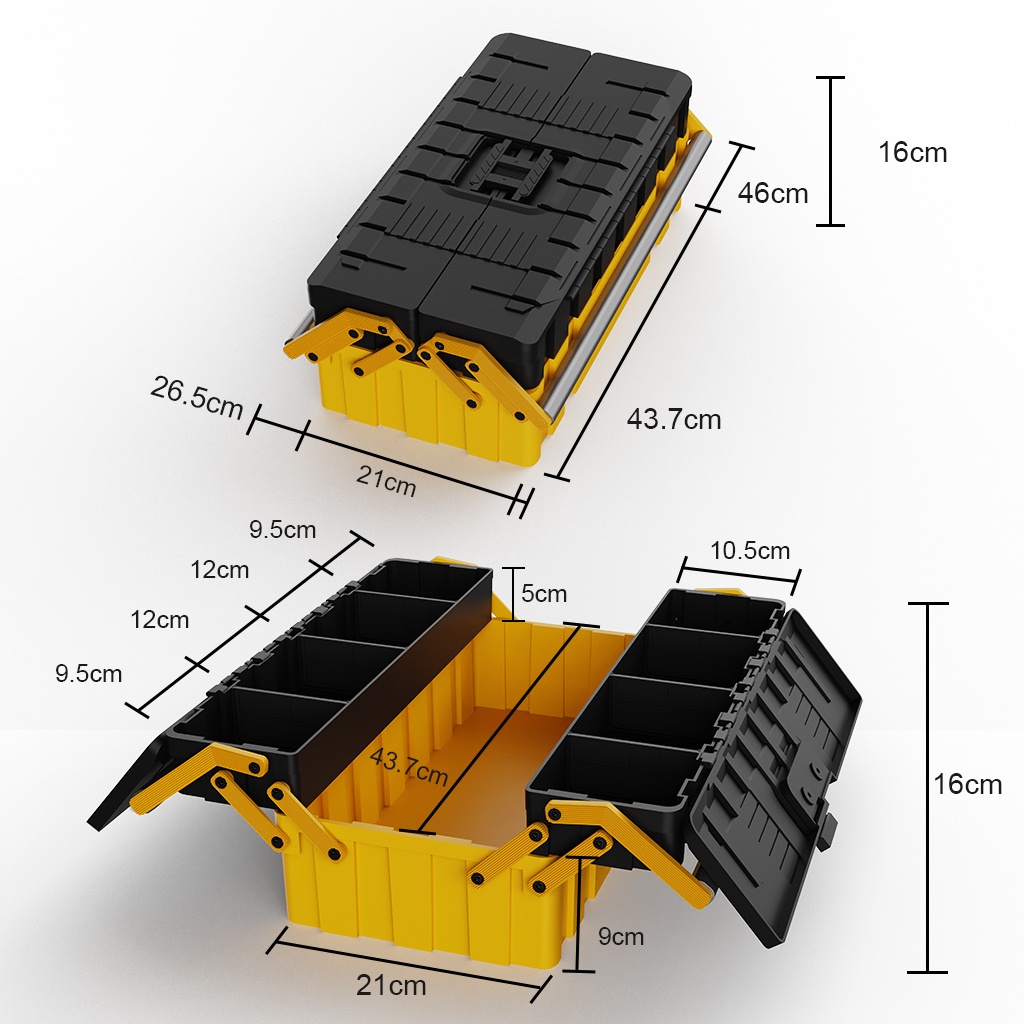
The 3 Layers Toolbox is designed for users who need practical tool organization without requiring excessive storage space.
It is suitable for:
- Garage workshops
- General maintenance
- Household repair
- Portable tool storage
Its compact structure allows users to organize essential tools while maintaining easy transportation.
3 Layers Toolbox Specifications
| Specification | Details |
|---|---|
| Product Type | 3 Layers Toolbox |
| Material | ABS + PA |
| Colors | Green / Yellow / Red |
| Dimensions | 46 × 26.5 × 15.8 cm |
| Weight | 9.5 kg |
| Load Capacity | 30 kg |
The 3-layer structure provides separated storage areas, helping users classify different tool categories.
For example:
Upper layers can be used for:
- Small accessories
- Frequently used tools
- Repair components
Lower storage areas can accommodate:
- Larger hand tools
- Equipment parts
- Frequently carried items
For retailers and distributors, the 3 Layers Toolbox can serve customers who need a compact but functional storage solution.
2.5 Layers Toolbox: Larger Capacity for Professional Users
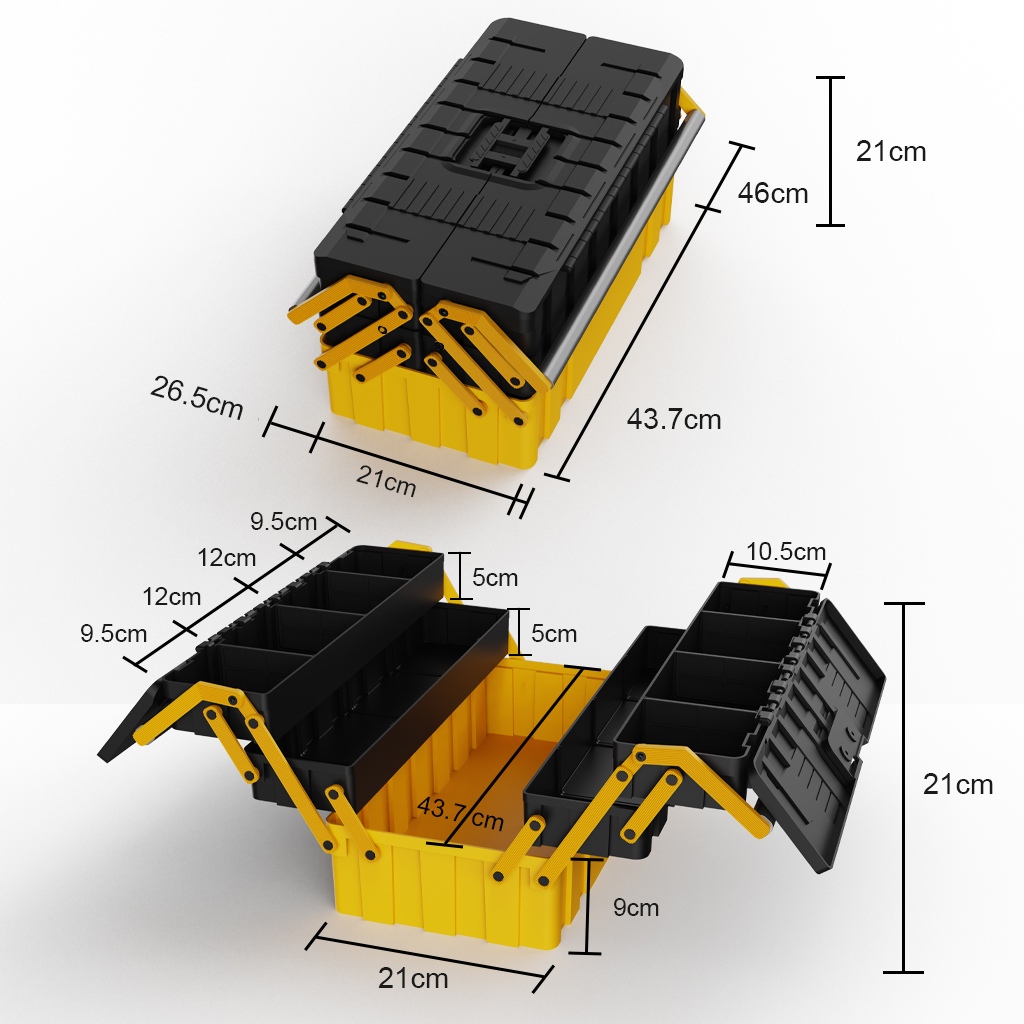
The 5 Layers Toolbox provides additional storage space for users who manage larger tool collections.
It is designed for:
- Professional technicians
- Workshop users
- Maintenance teams
- Users requiring more detailed organization
Compared with the 3-layer version, the 5 Layers Toolbox provides increased vertical storage capacity.
5 Layers Toolbox Specifications
| Specification | Details |
|---|---|
| Product Type | 5 Layers Toolbox |
| Material | ABS + PA |
| Colors | Green / Yellow / Red |
| Dimensions | 46 × 26.5 × 21 cm |
| Weight | 12.5 kg |
| Load Capacity | 30 kg |
The additional layers allow users to separate more tool categories.
For professional applications, this can improve:
- Workflow efficiency
- Tool accessibility
- Workspace organization
For distributors, the 5 Layers Toolbox provides a higher-capacity option for customers who need professional-level storage.
3.3 Layers Toolbox vs 5 Layers Toolbox Comparison
| Feature | 3 Layers Toolbox | 5 Layers Toolbox |
|---|---|---|
| Material | ABS + PA | ABS + PA |
| Dimensions | 46 × 26.5 × 15.8 cm | 46 × 26.5 × 21 cm |
| Weight | 9.5 kg | 12.5 kg |
| Load Capacity | 30 kg | 30 kg |
| Storage Capacity | Compact | Larger |
| Recommended Users | Garage users, general maintenance | Professional users, larger tool collections |
| Main Advantage | Portable and space-saving | More organization space |
For end users:
Choose 3 Layers Toolbox when:
- Storage space is limited
- Tool quantity is moderate
- Easy transportation is important
Choose 5 Layers Toolbox when:
- More tools need organization
- Professional applications are required
- Multiple tool categories need separation
For distributors and brands, offering both options can cover broader market demand.
Plastic Toolbox Applications in Garage Workshops
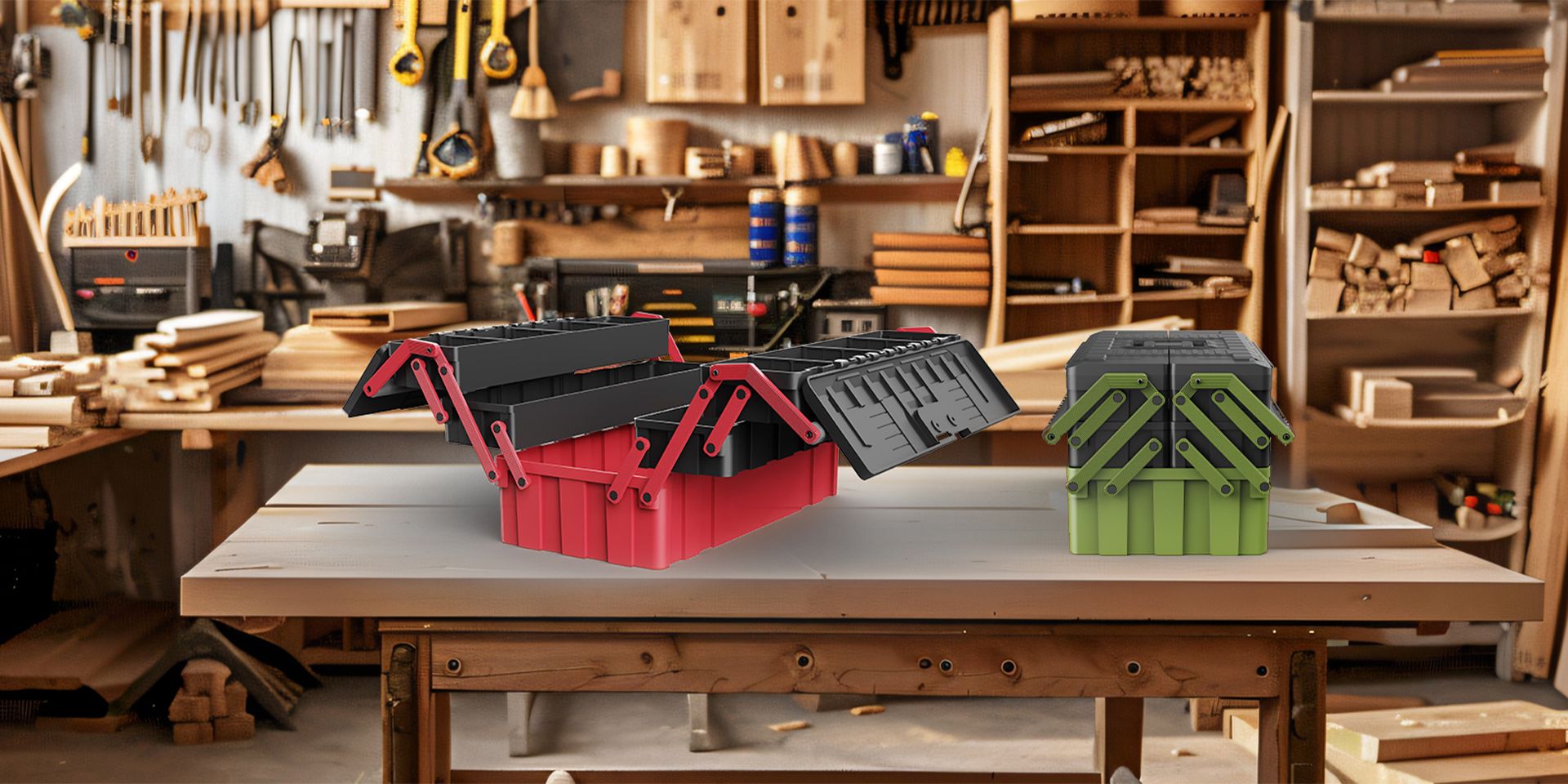
Garage workshops have become increasingly common among modern users.
Many people create flexible working areas for:
- Equipment maintenance
- Home repairs
- Woodworking projects
- Hobby activities
A suitable plastic toolbox helps users maintain an organized workspace.
1.Home Garage Organization
A garage often serves multiple purposes.
Besides parking vehicles, many users use garage areas as:
- Repair spaces
- Storage areas
- Small workshops
A portable toolbox helps keep tools organized without requiring large storage cabinets.
Benefits include:
- Better space utilization
- Easier tool access
- Cleaner working environment
The 3 Layers Toolbox is suitable for users who need a compact storage solution for daily projects.
2.Maintenance and Repair Applications
Professional maintenance users need reliable tool storage solutions.
Common applications include:
- Equipment repair
- Machine maintenance
- Field service
These users require toolboxes that provide:
- Durability
- Organized storage
- Easy transportation
The 5 Layers Toolbox provides additional storage space for users who need to carry more equipment.
How Distributors Should Evaluate Plastic Toolbox Products
For importers, distributors, and tool brands, product selection requires evaluating more than product specifications.
A successful product should match:
- Customer demand
- Market positioning
- Sales channels
1.Product Positioning and Market Segmentation
Different toolbox models can target different customer groups.
For example:
Retail Market
Suitable products:
- Compact toolbox
- Attractive colors
- Easy-to-use design
Professional Market
Important features:
- Larger capacity
- Better organization
- Higher durability
By offering multiple configurations, distributors can reach different customer segments.
2.OEM Customization and Color Options
For international brands, customization is an important consideration.
Jingyan Tools supports product customization options including:
- Color selection
- Brand logo
- Packaging requirements
The 3 Layers Toolbox and 5 Layers Toolbox are available in:
- Green
- Yellow
- Red
Different color options help brands create unique product positioning in their markets.
3.Manufacturing Quality and Supplier Capability
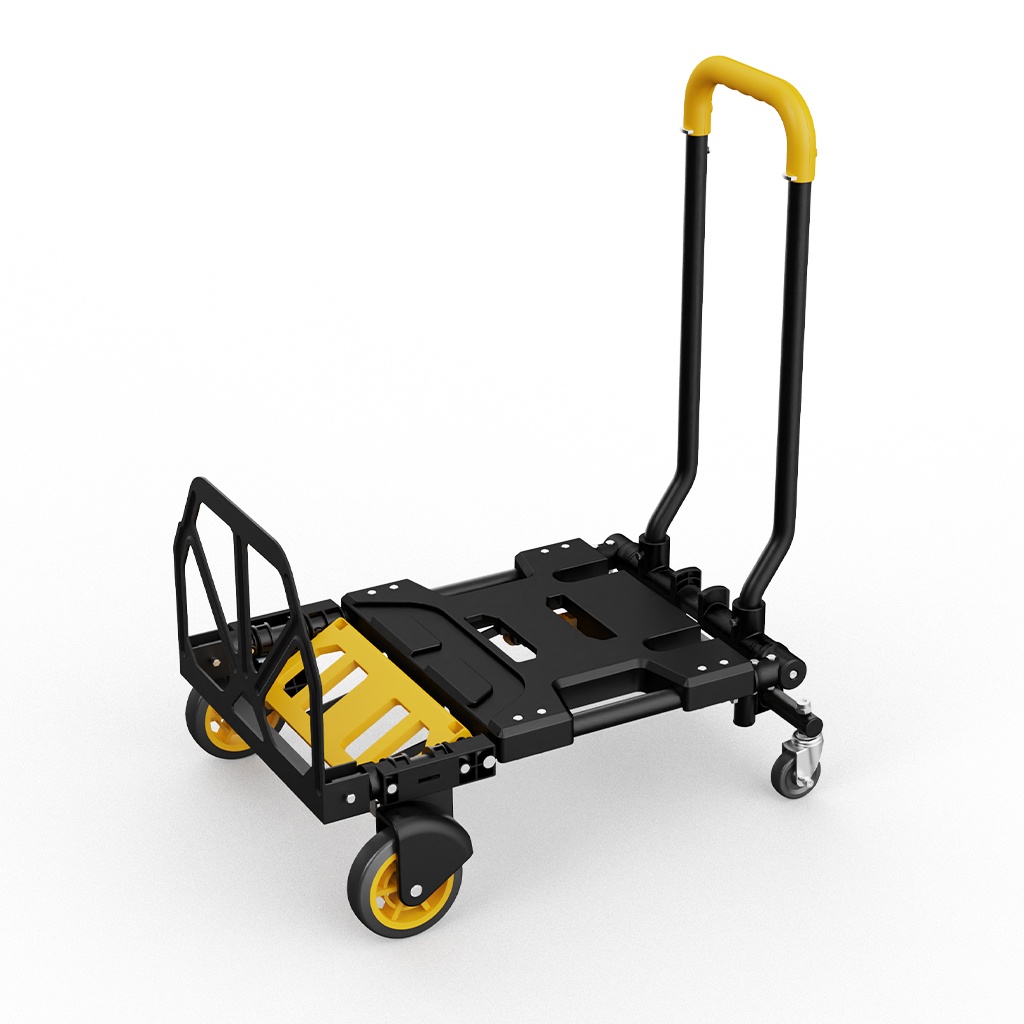
| FOLDABLE TROLLEY | |
| COLOR | Yellow & Black / Red & Black / Orange/ Blue / Yellow / Green |
| MATERIAL | PP+PA+Iron |
| 4 WHEELS OPEN DIMENSIONS | 47.5*62*80.8 cm |
| 2 WHEELS OPEN DIMENSIONS | 47*40.5*121.5 cm |
| FOLD DIMENSIONS | 37.5*13*81 cm |
| WEIGHT | 7.1 kg |
| LOAD CAPACITY | 120 kg |
Choosing a reliable manufacturer is important for long-term business cooperation.
B2B buyers should evaluate:
- Production experience
- Quality control process
- Product consistency
- Export capability
A professional manufacturing partner helps businesses maintain stable product quality and customer satisfaction.
Frequently Asked Questions About Plastic Toolboxes
1.What should I consider when choosing a plastic toolbox?
When choosing a plastic toolbox, consider:
- Material quality
- Storage capacity
- Layer design
- Load capacity
- Application requirements
The best choice depends on how many tools need storage and where the toolbox will be used.
2.Is a plastic toolbox suitable for professional users?
Yes.A well-designed plastic toolbox can meet professional requirements when it provides:
- Strong material
- Reliable structure
- Practical organization
Multi-layer designs are especially useful for technicians who need quick access to different tools.
3.What is the difference between 3 Layers Toolbox and 5 Layers Toolbox?
4.Which toolbox is better for garage workshops?
The choice depends on user requirements.
For smaller tool collections, the 3 Layers Toolbox provides practical storage.
For users with more tools or professional applications, the 5 Layers Toolbox offers additional organization space.
5.Can plastic toolboxes be customized for brands?
Yes.For distributors and brands, customization options may include:
- Product colors
- Logo
- Packaging design
OEM capability helps businesses create products that match their market positioning.
Conclusion: Choosing the Right Plastic Toolbox for Long-Term Value
Choosing a plastic toolbox requires careful consideration of storage needs, material quality, application environment, and product reliability.
A suitable toolbox should provide:
- Efficient organization
- Durable construction
- Convenient transportation
- Appropriate storage capacity
The 3 Layers Toolbox and 5 Layers Toolbox provide different solutions for different users.
The 3 Layers Toolbox focuses on:
- Compact storage
- Easy transportation
- Garage workshop applications
The 5 Layers Toolbox provides:
- Larger storage capacity
- Better tool classification
- Professional usage support
For distributors, importers, and tool brands, offering practical and reliable toolbox solutions can help meet diverse market requirements.
Jingyan Tools provides plastic toolbox solutions with stable manufacturing capability, OEM support, and product development experience for international markets.
A well-designed toolbox is not only a storage product.
It is a professional tool management solution that helps users work more efficiently every day.
Ralated Products